Tapanuli Orangutans
A Third Species of Orangutan
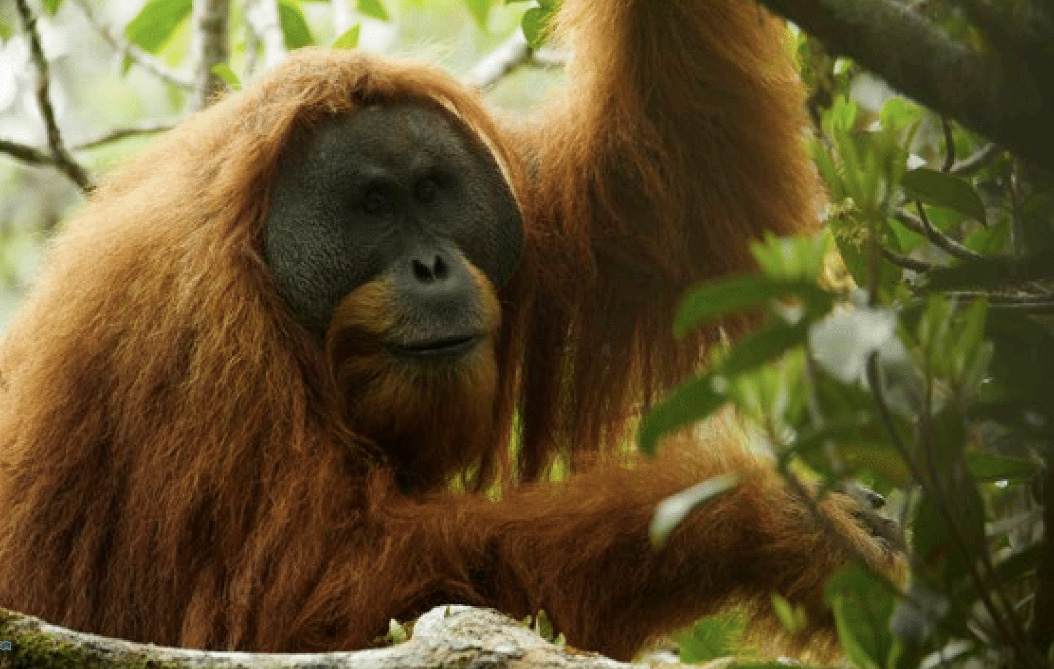
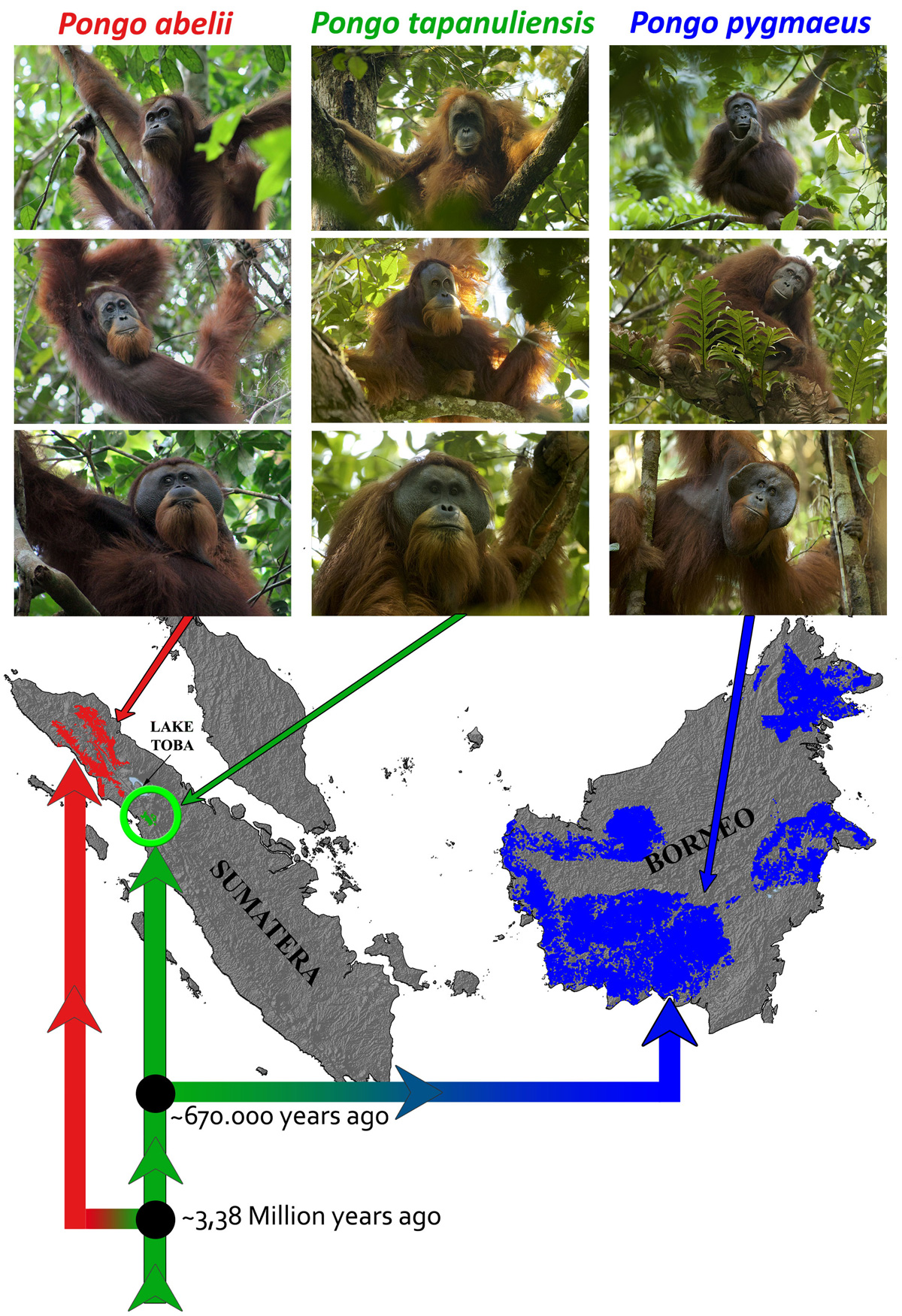
On November 2 2017, in a paper published in the scientific journal Current Biology, a team of Indonesian and international scientists described a third species of orangutan. This new species was called the Tapanuli orangutan. It was confirmed that the orangutans residing in the Batang Toru Ecosystem in Sumatra were distinct from the Bornean (Pongo pygmaeus) and Sumatran (Pongo abelii) orangutans. Genetic and morphological differences provided evidence of the distinction and the Tapanuli orangutan (Pongo tapanuliensis) was designated a separate species.
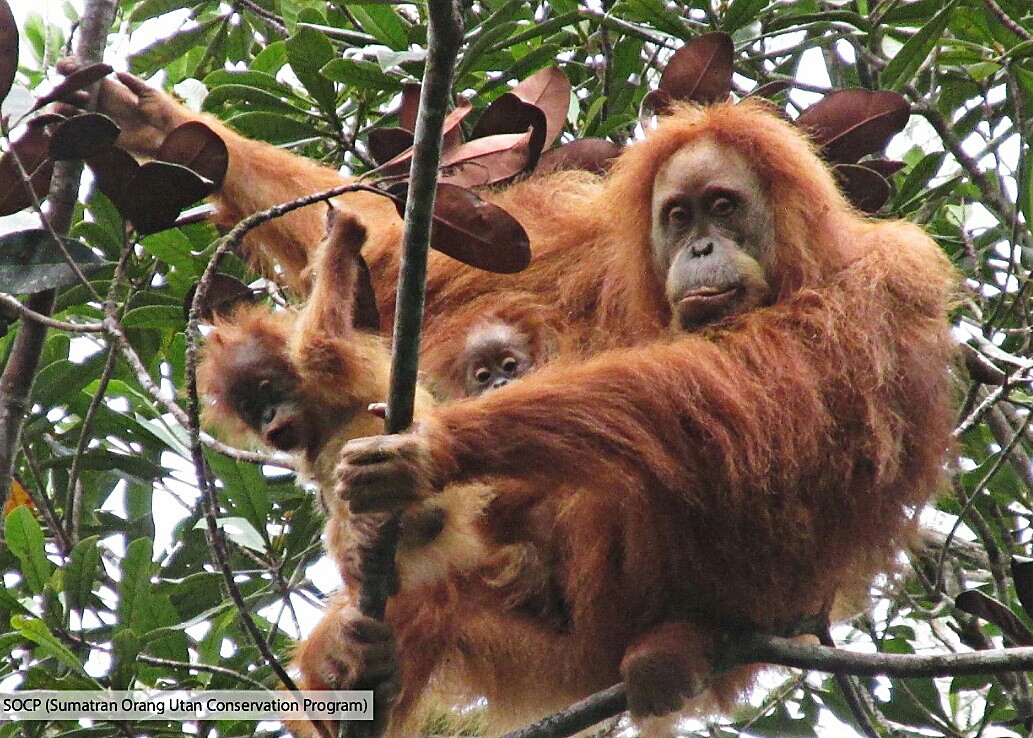 This was incredible news in the scientific community. However, excitement was dampened as the Tapanuli orangutan was quickly classified as critically endangered and identified as the rarest great ape in the world, with ~800 individuals found only in the three sub-districts of Tapanuli, North Sumatra. Our partner, Sumatran Orangutan Conservation Programme (SOCP), has worked in this area since 2005. At the time of identification, the Tapanuli orangutans were found split into 2 main blocks (east and west) with a third, smaller population in the Sibuali-Buali Nature Reserve, located adjacent to the west block. Re-establishing connectivity between these three separated populations was noted as key to the survival of the species.
 Increasing Concern
By 2021, historical data gave rise to new worries about the species. A study indicated that the Tapanuli orangutan faced a much greater risk of extinction than previously thought, with some calling the extinction imminent. The study estimated the orangutans were occupying just 2.5% of their historical range, and attributed this to loss of habitat and hunting. It was argued that those threats persisted and were compounded by mining and infrastructure projects inside the Tapanuli orangutan’s last known habitat in northern Sumatra. It was concluded that, at the current rates at which the habitat was being lost and the ape was being hunted, the extinction of the Tapanuli orangutan was inevitable.
The Damn Dam
In 2023, there continued to be much controversy over a hydroelectric dam that was being planned in the Tapanuli orangutan habitat. The dam was being developed by PT North Sumatra Hydro Energy and was being built by a subsidiary of Chinese state-owned multinational Power Construction Corporation of China Ltd. (PowerChina). Investigations into the project concluded that it would have a destructive and permanent impact on the environment and would pose a serious threat to the survival of the Tapanuli orangutans. Environmentalists argued that the risks the dam project posed on the orangutans should prompt the project’s main backers, the Chinese and Indonesian governments, to abandon the project.
 Renewed Hope
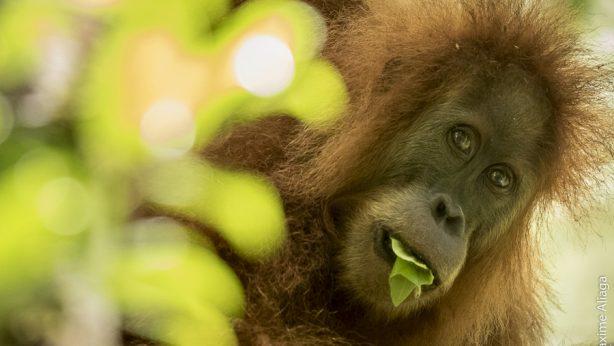
Intriguing news came in October of 2025 as a new cluster of Tapanuli orangutans were discovered in a Sumatra peat swamp. Researchers confirmed via DNA analysis of fecal samples that, in addition to the Batang Toru forest, the Tapanuli orangutan also inhabits a peat swamp forest 32 kilometers (20 miles) away in the Lumut Maju village forest. The discovery highlighted the conservation value of nonprotected peat swamps, which are rapidly being cleared for oil palm plantations. These overlooked forests were seen as potential habitats for the Tapanuli orangutan. Conservationists warned that the isolated Lumut Maju population, likely fewer than 100 individuals, may not be viable long term unless habitat protection or relocation strategies were implemented.
The discovery of this population of Tapanuli orangutans sparked both optimism and concern among conservationists. Expert assessments suggest that a viable orangutan population requires at least 250 individuals living in a connected natural forest with sufficient food. In Lumut Maju, the number is estimated to be fewer than 100 individuals which is far below the threshold for a sustainable population.
Heartbreaking News
December 2025 brought devastating news. Catastrophic floods and landslides struck Sumatra and reports spread that the disaster may have wiped out a key Tapanuli orangutan population. Scientists feared as many as 35 Tapanuli orangutans (4% of the species’ total population) may have perished in the horrendous event. This conclusion was drawn after a Tapanuli orangutan was discovered dead in mud and log debris in a village in northern Sumatra on December 3rd, a week after the cyclone-driven storms. Further, conservationists lost contact with monitored orangutans in the disaster zone; raising fears more orangutans had been killed or displaced as feeding areas and valleys were obliterated.
Satellite and field evidence showed massive destruction of the western block of the Batang Toru ecosystem, with thousands of hectares of forest slopes destroyed. With much concern, conservationists stated it was very plausible that parts of the habitat collapsed, sweeping out orangutans along with it. Scientists described this as an “extinction-level disturbance” because removing just 1% of the population each year would ultimately end in the dying out of such a slowly reproducing species.
In the months following the flood, orangutan conservationists set out to determine a more accurate count of the number of orangutans lost in the disaster. A report published in June 2026 in the Current Biology journal states that at least 58 Tapanuli orangutans, or around 7% of the total species, were killed. Researchers noted that Cyclone Senyar was an anomalous event, but that human-induced climate change played a significant role. They also noted that the frequency and intensity of extreme rainfall in the area is likely to continue in the future, posing a threat to the survival of Tapanuli orangutans and their habitat. Read more about this tragedy here.
What the Future Holds
The tragedy of the Tapanuli orangutan deaths has renewed calls on the Indonesian government to safeguard the Batang Toru ecosystem by halting industrial projects, including the hydropower plant and a gold mine. As of February 2026, both operations have been temporarily paused by the environment ministry pending post-disaster reviews, with officials saying they had “contributed significantly to the pressure on the environment.” Further, conservationists are urging the Batang Toru ecosystem be granted stronger protection as climate-driven disasters escalate across Sumatra.
A temporary suspension of industrial development falls far short of what is needed to protect the orangutans. Ideally, the government would designate Batang Toru as a strategic landscape under the national zoning plan to block future industrial activity that threatens both the orangutans and nearby communities. We do not know what will happen next. Orangutan Outreach will continue to support the efforts of SOCP and other organizations working to protect and conserve the most critically endangered great ape. We appreciate your support as the future of the precious Tapanuli orangutans remains unclear.
Why is the Tapanuli orangutan a new species?
Genetic differences are the first reason for the differentiation of the Tapanuli orangutan species. Research indicates that there was a genetic separation from the Sumatran orangutan about 3.38 million years ago, whereas the Tapanuli orangutans split from the Bornean orangutans approximately 670 thousand years ago.
There are also a number of morphological differences seen in the Tapanuli orangutans:
- The skull and jaw bones of the Tapanuli orangutan are less robust than those of the Sumatran and Bornean orangutans;
- The hair is thicker and more curly;
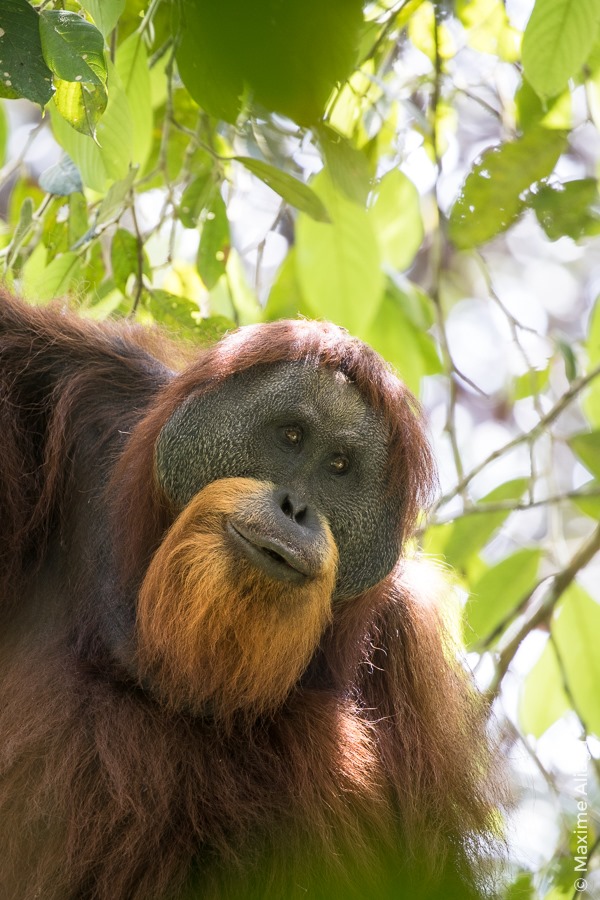
- The male Tapanuli orangutan has a moustache and protruding beard with flatter cheek pads, covered in fine blonde hair;
- Their molar sizes differ from fossil orangutans (from the Pleistocene period);
- The Tapanuli orangutan long call differs from that heard in the other two species;
- They eat plant species that have never been seen consumed by the other orangutan species, including aturmangan (Casuarinaceae) seeds, sampinur (Podocarpaceae) fruits and flowers, and agatis (Araucariaceae).
Quick facts about Pongo tapanuliensis and their habitat:
- Less than 800 individuals remain in the wild;
- They are only found in the Batang Toru Ecosystem, in all three subdistricts of Tapanuli, North Sumatra;
- In total, the Batang Toru Ecosystem comprises 150,000 hectares, with just 110,000 (1,100 km2) of this as current orangutan habitat;
- Approximately 85% of the Batang Toru Ecosystem is listed as ‘Protected Forest’, with the remaining 15% of primary forest area listed as ’Other Use Area’ or ‘Logging Forest’;
- Most of their remaining habitat is above 850m asl;
- The Tapanuli orangutans are split into 2 main blocks (east and west) by the Sumatran fault line, with a third, smaller population in the Sibuali-Buali Nature Reserve, located adjacent to the west block;
- Re-establishing connectivity between these three separated populations is key to the survival of the species, by avoiding inbreeding;
- Tapanuli orangutans are very slow to breed, with females having their first offspring at around 15 years of age, with the interbirth interval thereafter being approximately 8-9 years. They can live until 50-60 years of age;
- The new species designation is based on research in genetics, morphology, and behaviour;
- This new species is now the rarest and most threatened species of great ape in the world (even rarer than the mountain gorillas of Africa);
- The Tapanuli orangutan will be included in the IUCN Red List with an immediate entry as ‘Critically Endangered’.
Tapanuli Orangutans Need Your Help!
Thank you for your generous support in these challenging times.
Donate Adopt