Releases
The Third R of “Red Ape Relief”
After a long period of rehabilitation and supervision, orangutans may be ready to return to the wild. Release sites are carefully selected and must meet strict criteria. They must be free from human activity, contain diverse forest foods, and be located in the same region of Borneo or Sumatra where the orangutans originate, helping avoid genetic mixing with other wild populations.
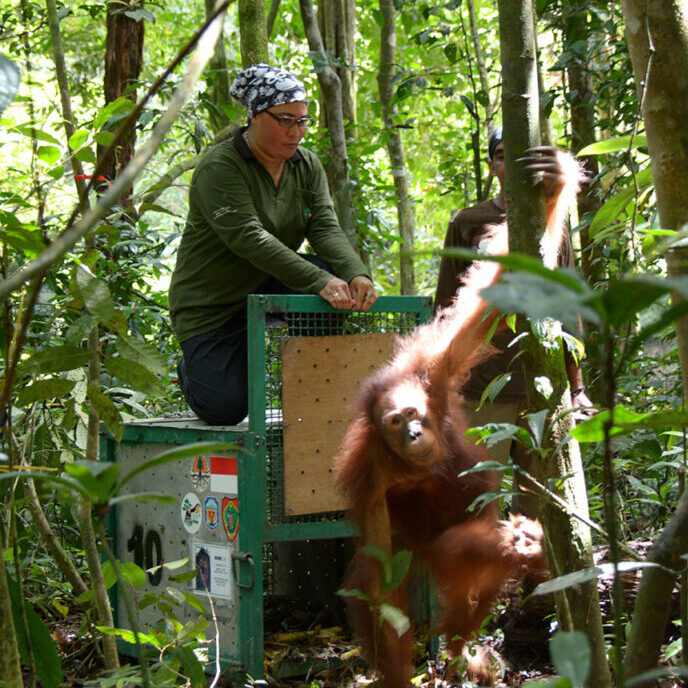
Choosing the Right Release Sites
Finding a suitable release area is one of the most important steps in the process. The forest must be large, healthy, and able to support orangutans long term. It must also be remote, minimizing future contact with people and reducing the risk of conflict.
Only when these conditions are met can a release move forward. Each site is evaluated carefully to give released orangutans the best possible chance of survival.
The Journey to Freedom
Reaching a release site is often extremely challenging. Suitable forests are typically remote and may require hours or days of travel by truck and boat. In some cases, helicopters or small aircraft are used to reach nearby rivers or forest clearings. Releases are usually carried out in groups, allowing orangutans to remain near one another as they adjust to their new surroundings.
Each release operation requires careful planning and coordination. Large teams, including veterinarians and experienced field staff, travel together with equipment and supplies. When transport, fuel, aircraft or boat rental, and staff salaries are taken into account, the cost of releasing a single orangutan can exceed USD $5,000.
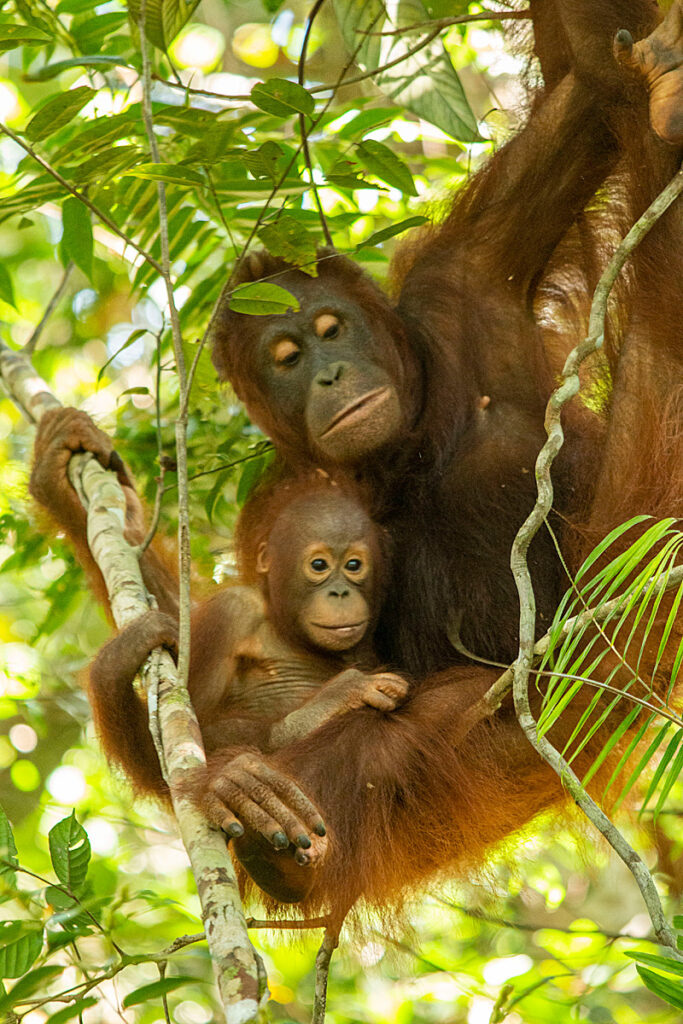
A Return to the Forest
Once the team reaches the site, transport crates are carried deep into the forest. As each crate is opened, an orangutan climbs into the canopy, beginning a new life in the wild.
Post release monitoring teams track orangutans for up to 18 months to ensure they are adapting successfully. For caregivers, saying goodbye is emotional, but watching an orangutan live freely in the forest makes every challenge worthwhile.
Releases in Action
Each release represents years of care, preparation, and commitment to giving orangutans a future in the wild.
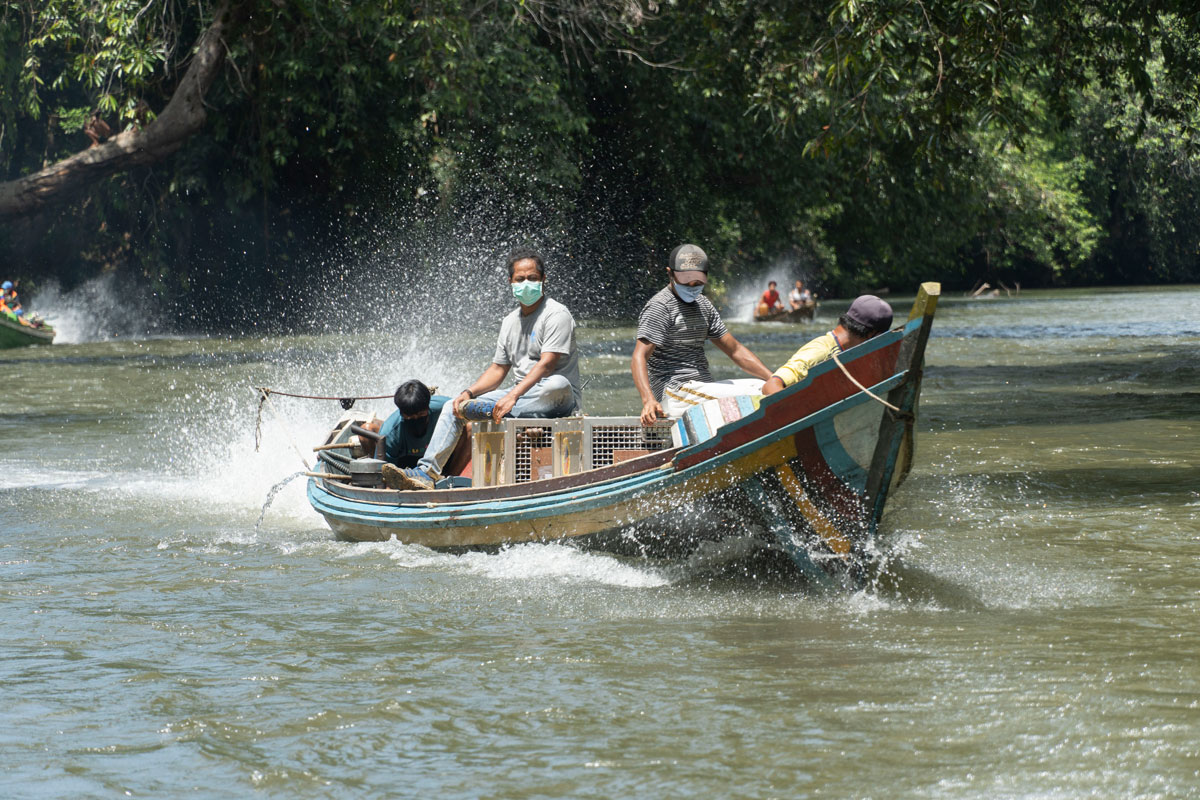
Journey to the Forest
Teams travel by land, river, and air to reach remote release sites, often navigating difficult terrain and long distances to access protected forest areas.
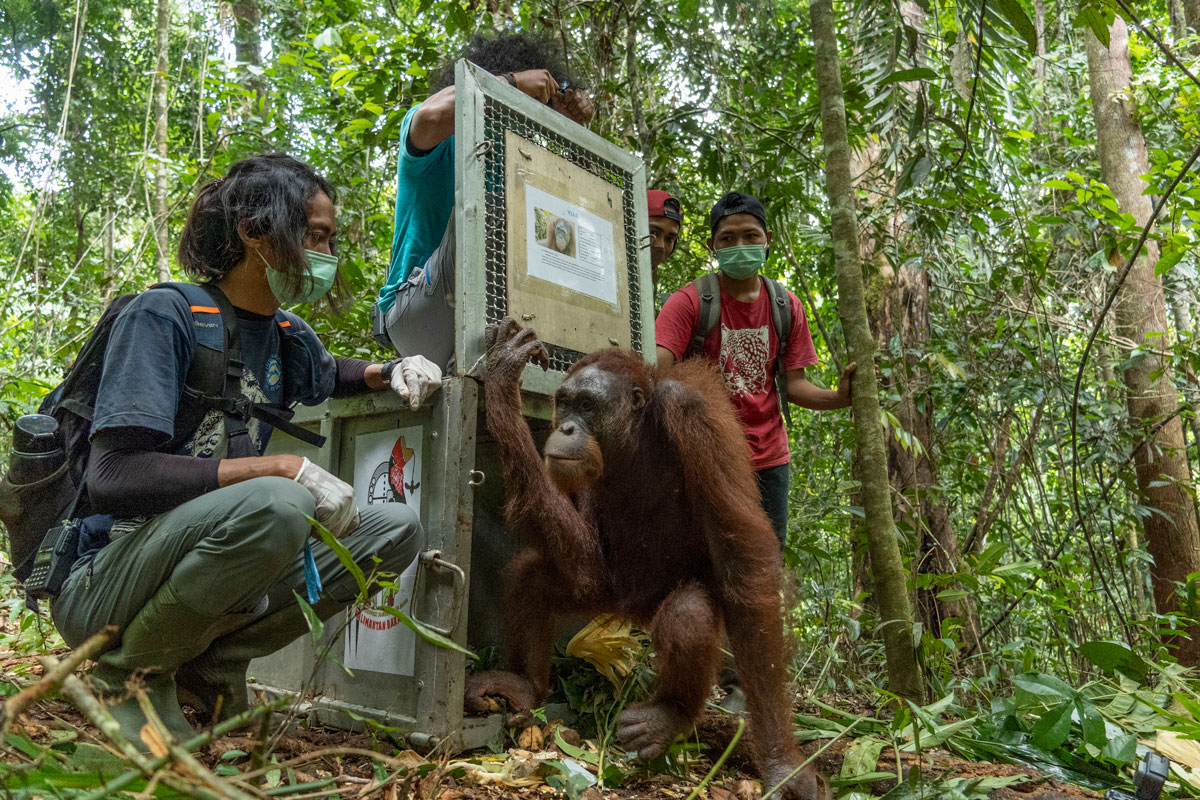
Moment of Freedom
As transport crates open, orangutans climb into the canopy, marking the beginning of an independent life in the forest.
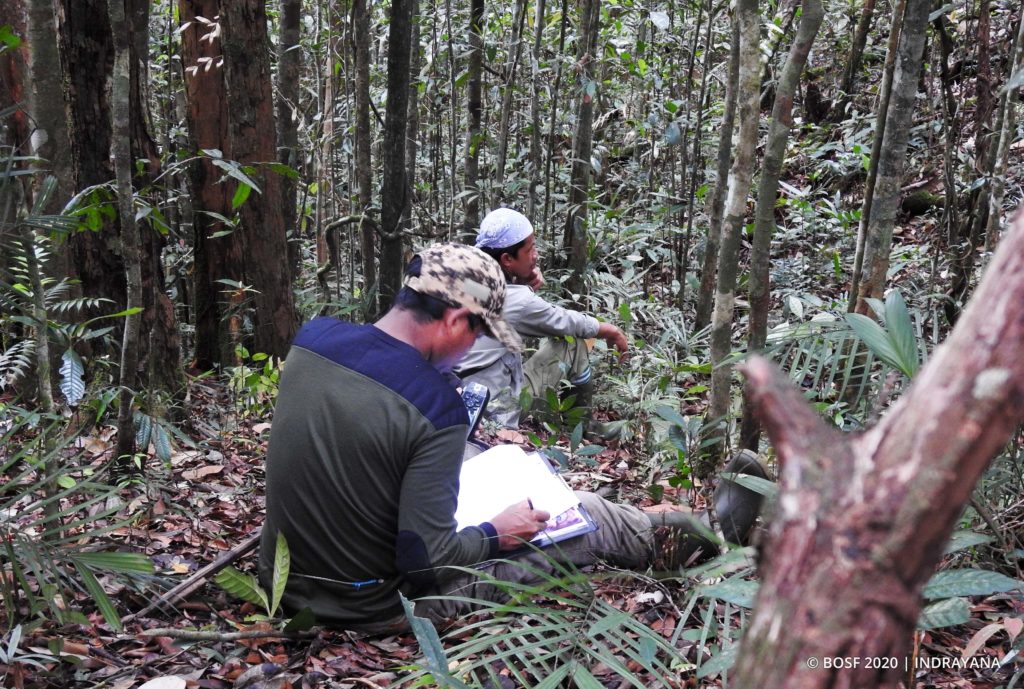
Monitoring Success
Post release monitoring teams track orangutans for up to 18 months, ensuring they are adapting well to their new environment.
Release Partners
Ongoing release operations are carried out by the Borneo Orangutan Survival Foundation (BOSF), the Sumatran Orangutan Conservation Programme (SOCP), and Yayasan Inisiasi Alam Rehabilitasi Indonesia (YIARI). Their work ensures rehabilitated orangutans can return safely to the forest.
Releases depend on the availability of suitable habitat. Learn about the next R of orangutan conservation: Reforestation.
Release FAQs
Release sites must be remote, rich in forest foods, and free from human activity. They must also be located within the orangutans native range.
Yes. Post release monitoring teams track orangutans for up to 18 months.
Remote locations, transport, staff, and equipment contribute to the cost of each release.
Support Orangutan Releases
Your support helps return rehabilitated orangutans to the wild.
Adopt an Orangutan Donate to Releases