Rescues
Every rescue begins with a real orangutan in danger and ends with a second chance at life.
The First R of “Red Ape Relief”
Orangutans may need rescue if they are too close to people, trapped, injured, or kept as pets. When alerted, teams in Indonesia deploy quickly-sometimes traveling great distances-to reach them. Orangutan Outreach funds these efforts so every orangutan in danger can be helped.
The Cost of Forest Loss
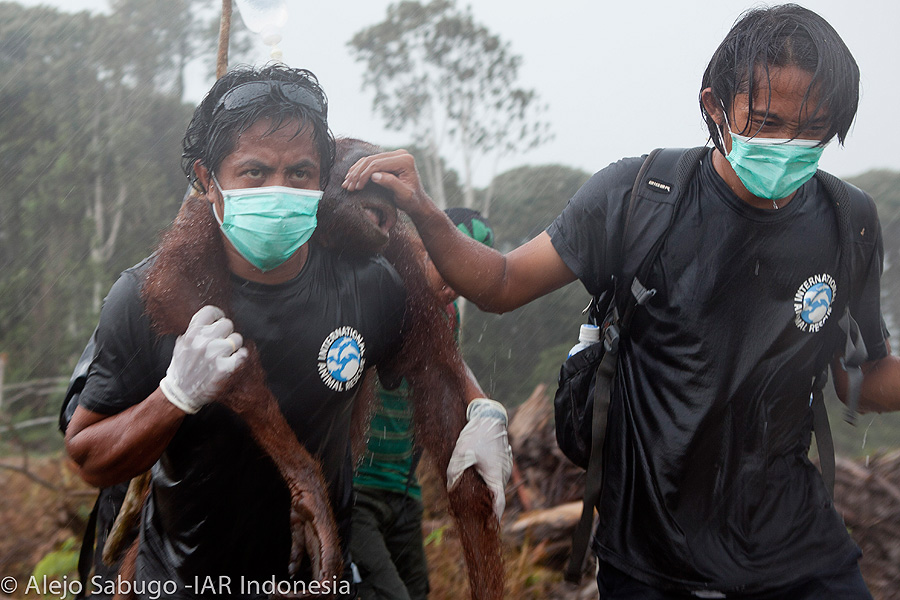
When forests are cut down or burned, orangutans and other animals are forced to flee. Often, they end up near villages in search of food, triggering conflict with people who fear for their crops and families. In these situations, rescue teams respond and, when possible, relocate wild orangutans to safer forest areas. This process is called translocation, and it allows healthy, wild individuals to remain free in the forest.
Forest fragmentation makes matters worse. Large connected forests become isolated patches, forcing orangutans to leave the canopy to travel across open land to reach food, mates, or new habitat. This may put them at risk near roads, fields, and human settlements. Without rescue intervention, many would not survive these encounters.
Oil palm plantations add another layer of danger. When forests are replaced by monoculture crops, orangutans sometimes enter plantations out of desperation. Owners typically view them as threats and do not tolerate their presence. These situations require urgent rescue. When orangutans are found healthy in plantations or on roadways, they may be safely translocated to protected forest where they have space to live and forage.
Confiscation Rescues and the Illegal Pet Trade
Some rescues involve orangutans kept illegally as pets, often in poor conditions without proper food, space, or care. Confiscation rescues are carried out with rehabilitation centers and government agencies to ensure every individual is removed safely and treated with dignity. While most are infants or juveniles, orangutans of any age can be taken from the wild and kept unlawfully.
Once rescued, they are brought to a rehabilitation center where veterinary teams and caregivers provide medical treatment, nutrition, enrichment, and long-term support. For young orangutans, this may be the beginning of a rehabilitation journey that teaches the skills they will need to live independently in the forest one day.
Rescue Stories in Pictures
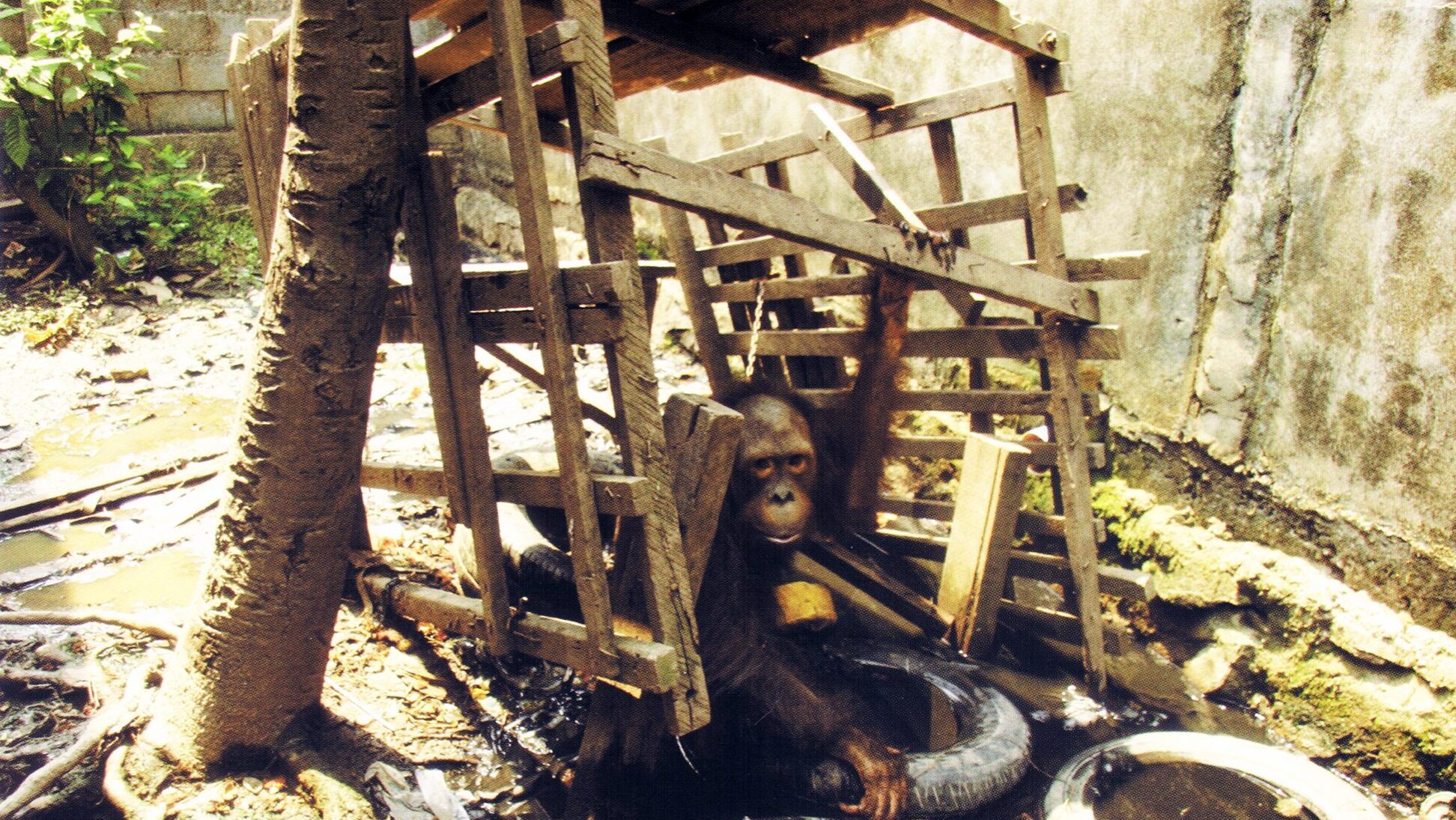
Jojo’s Rescue
Jojo was found alone and vulnerable. Thanks to rapid action from the rescue team, he is now safe and beginning his journey through rehabilitation.
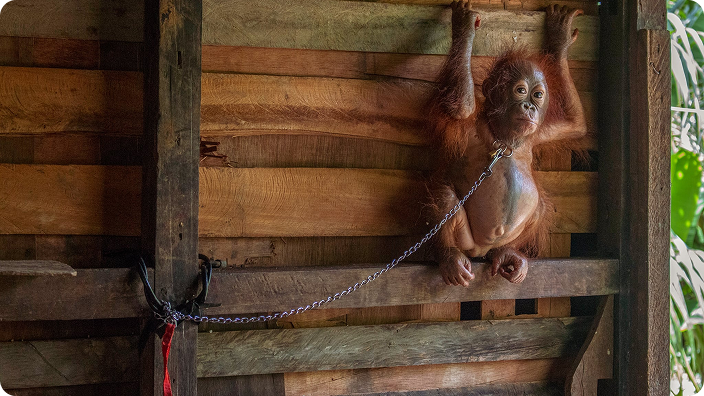
Covita’s Journey
Covita was discovered on a plantation after becoming separated from her mother. She now lives at a rehabilitation center where she can grow strong and learn vital forest skills.
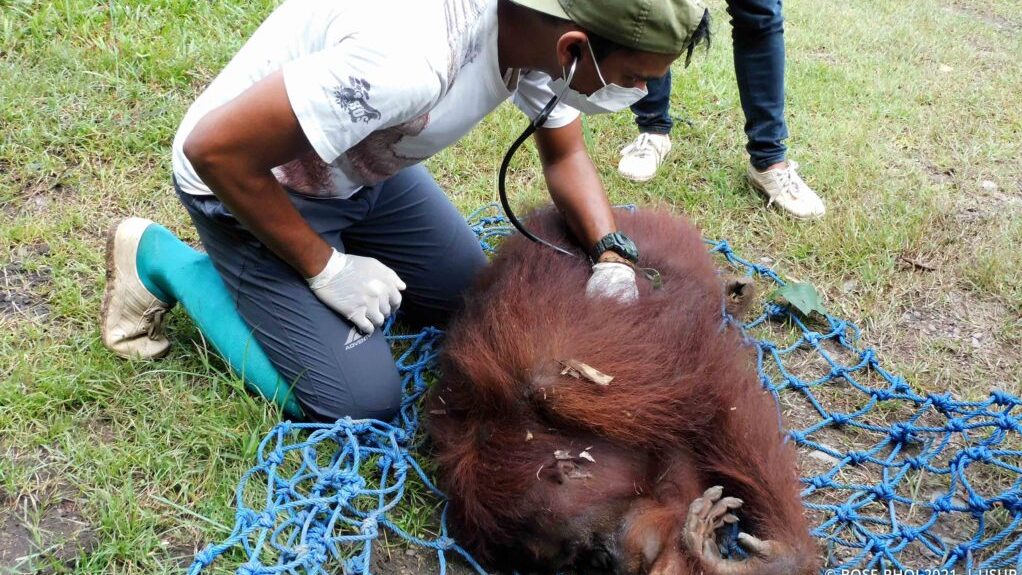
Translocation in Action
Not every rescue leads to the center. When possible, healthy wild orangutans are translocated to safer forest areas, away from villages and plantations.
Rescue Partners in the Field
Rescues are carried out by partners including the Borneo Orangutan Survival Foundation (BOSF), Yayasan Inisiasi Alam Rehabilitasi Indonesia (YIARI), and the Sumatran Orangutan Conservation Programme. (SOCP)
After rescue, the next step is Rehabilitation.
Rescue FAQs
Rescues occur when orangutans are injured, too close to human activity, crossing plantations and roads due to forest loss, or being kept illegally as pets. Rescue operations remove them from danger and give them a chance to heal.
Translocation is the safe relocation of a wild orangutan from a conflict area, such as a village or plantation, to a protected forest. Our partners favor translocation whenever a healthy wild orangutan can remain free in the forest.
Orangutans confiscated from the pet trade are brought to rehabilitation centers, where veterinary teams and caregivers provide medical treatment, proper nutrition, and long-term care. Young orangutans begin a step-by-step rehabilitation process to prepare them for a life in the forest.
Help Fund Life-Saving Rescues
Your support ensures rescue teams can respond quickly, provide emergency care and give every orangutan in need the chance for a better future.
Adopt an Orangutan Donate to Rescues