Randy’s Rehabilitation Continues
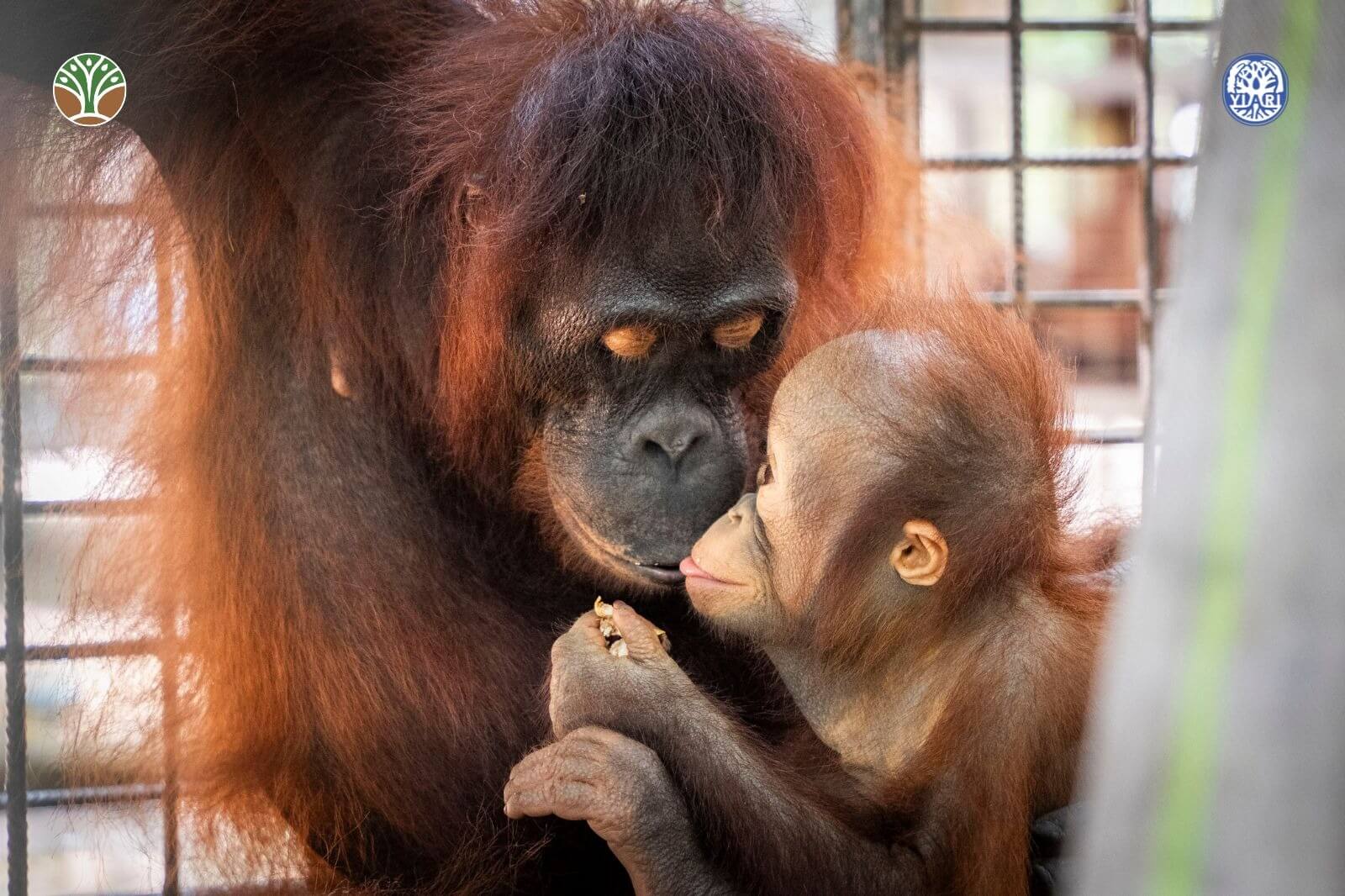
Finding a Mother Figure in Siponti
Just like human infants, orangutan infants require affection, protection, and guidance from their parents. Sadly, many unfortunate orangutan infants are separated from their mothers due to various circumstances. This is particularly tragic given the vital role an orangutan mother plays in her infant’s survival in the wild.
So, how does YIARI care for orangutan infants that arrive at the rehabilitation center without their mothers? Through a foster-mother strategy! We identify a suitable foster mother for every infant that arrives at the center. One such story involves Randy and Siponti—let’s take a closer look!
Randy: An Orangutan Infant Currently Undergoing Rehabilitation
Do you remember Randy? He is a two-year-old orangutan infant rescued by a joint team from the West Kalimantan Natural Resources Conservation Agency (BKSDA) and YIARI on November 21, 2025. He had been kept illegally in an area associated with illegal gold mining (PETI). An examination revealed a leg fracture; however, given his young age, his development remained on track, and the bone was able to heal on its own without requiring medical intervention.
Upon arrival at the rehabilitation center, he had to undergo a two-month quarantine period. Throughout this time, Randy remained in good health, and the fractured bone showed signs of healing. His medical condition continues to be regularly monitored by the medical team.
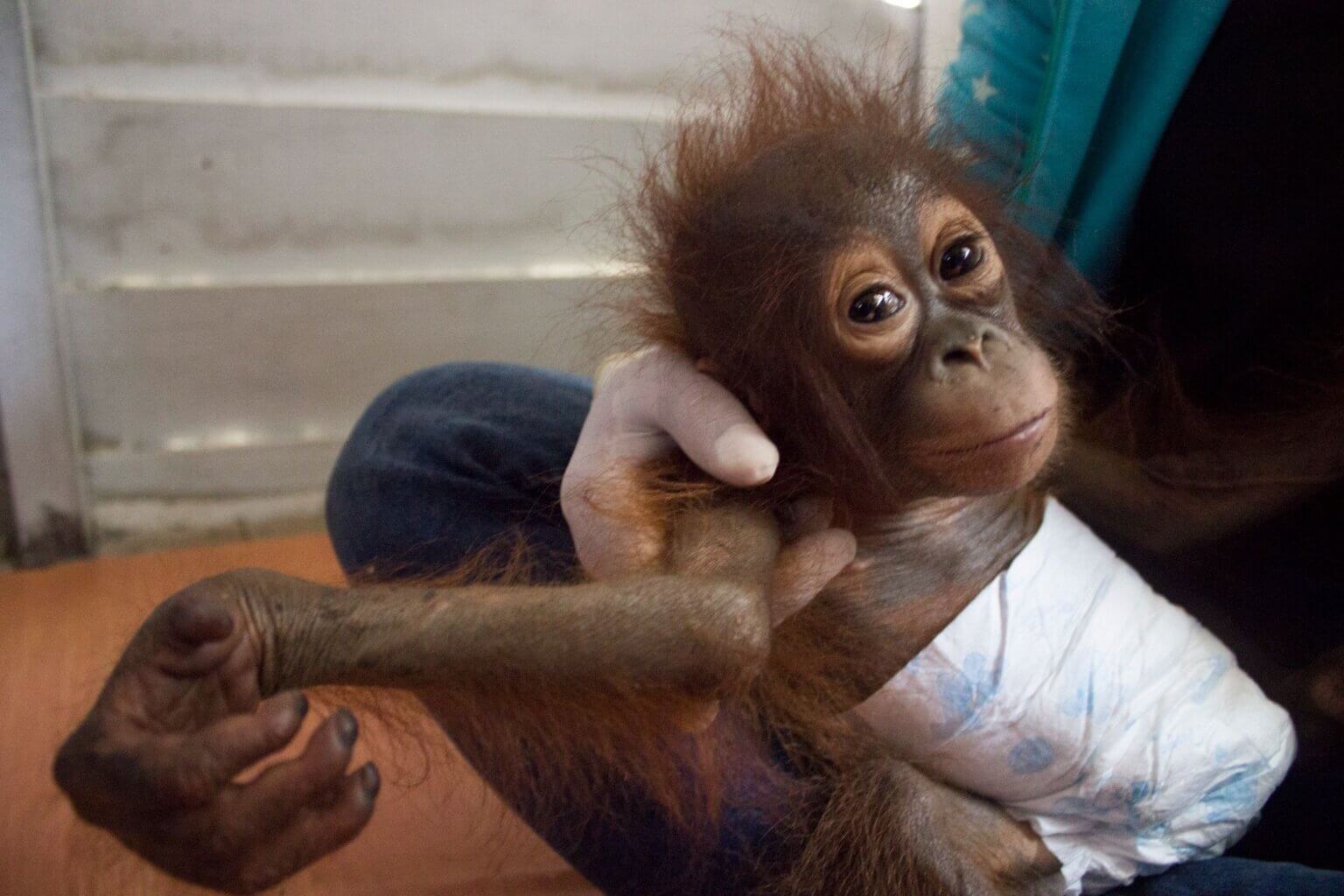
The condition of baby Siponti when rescued on August 20, 2015 (YIARI)
Siponti: From a Heartbreaking Story of Motherlessness to Becoming a Mother Herself
We attempted to pair Randy with Siponti, an adult female Bornean orangutan approximately 11 years of age. Siponti was rescued by local residents on August 20, 2015, from a burning area in the Seponti Jaya District of North Kayong Regency, West Kalimantan.
Her name was inspired by the location where she was found. Like Randy, Siponti had been an infant orangutan separated from her mother and subsequently cared for by the local community. She was rescued by personnel from the Sukadana Section of Gunung Palung National Park and later handed over to the Ketapang Region 1 Natural Resources Conservation Agency (BKSDA). Now, eleven years later, the medical team determined that Siponti had reached adulthood and could serve as a surrogate mother.
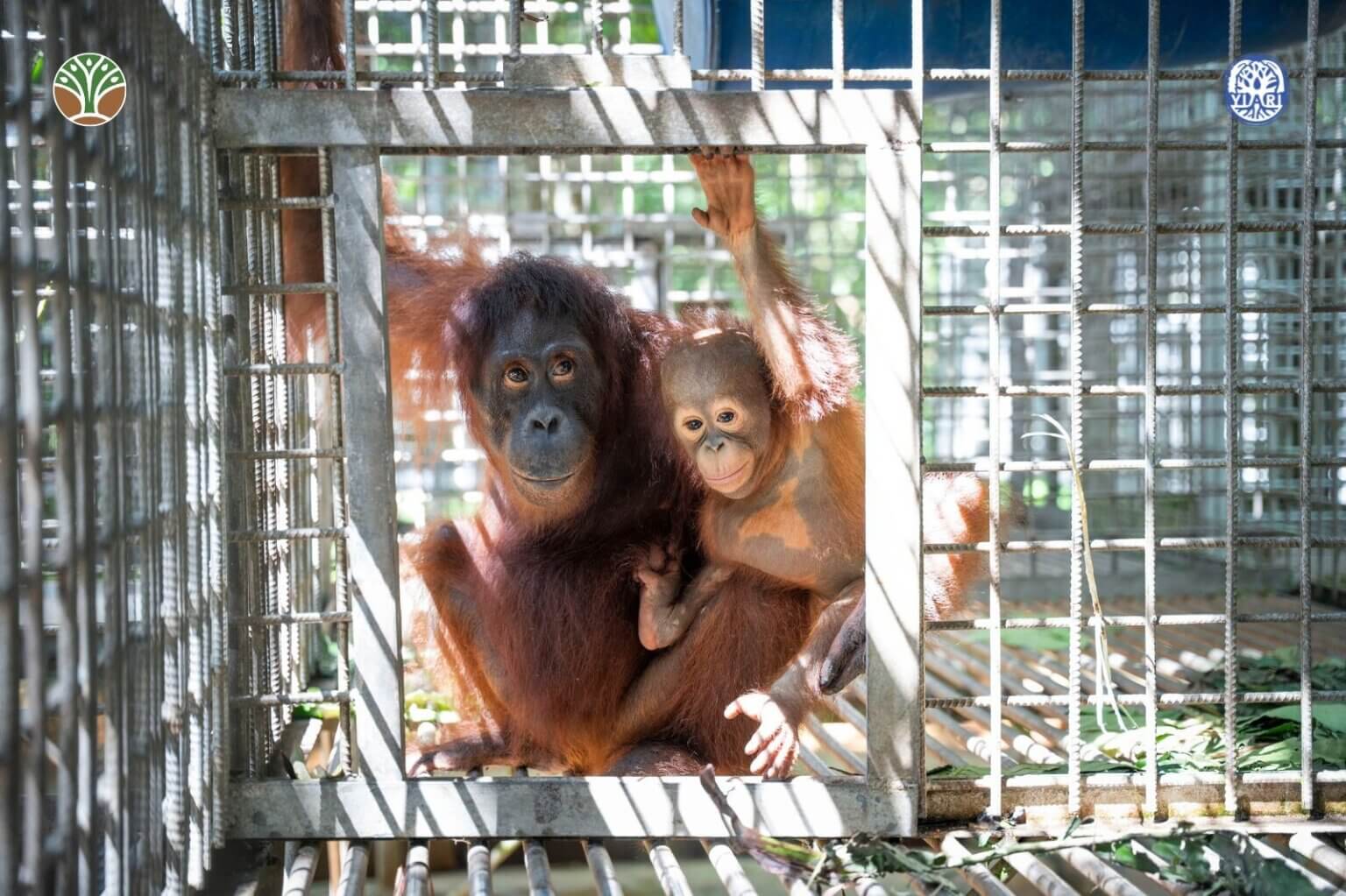
Once placed together in the same enclosure, Randy and Siponti appeared to socialize well (Muffidz Ma’sum).
Randy and Siponti’s Socialization Goes Well
The first step in our foster-mother approach involved placing a potential foster mother next to Randy’s enclosure for several days to allow for controlled socialization. If the female showed no signs of aggression and positive interactions were observed, we removed the barrier and merged their enclosures.
We applied this procedure to Randy and Siponti by positioning their enclosures close together and conducting observations over the course of a month. Once interactions were observed between them, the medical team attempted to house them together in a single enclosure on April 8, 2026. The subsequent month of observation yielded excellent results! Randy was observed to be very clingy—constantly staying close to Siponti—while Siponti welcomed him warmly, often carrying him.
Gradually, Siponti began to display a protective nature, shielding Randy whenever there was a disturbance directed his way. Additionally, she was seen sharing food with Randy on several occasions, maintaining a demeanor that was neither overly dominant nor aggressive.
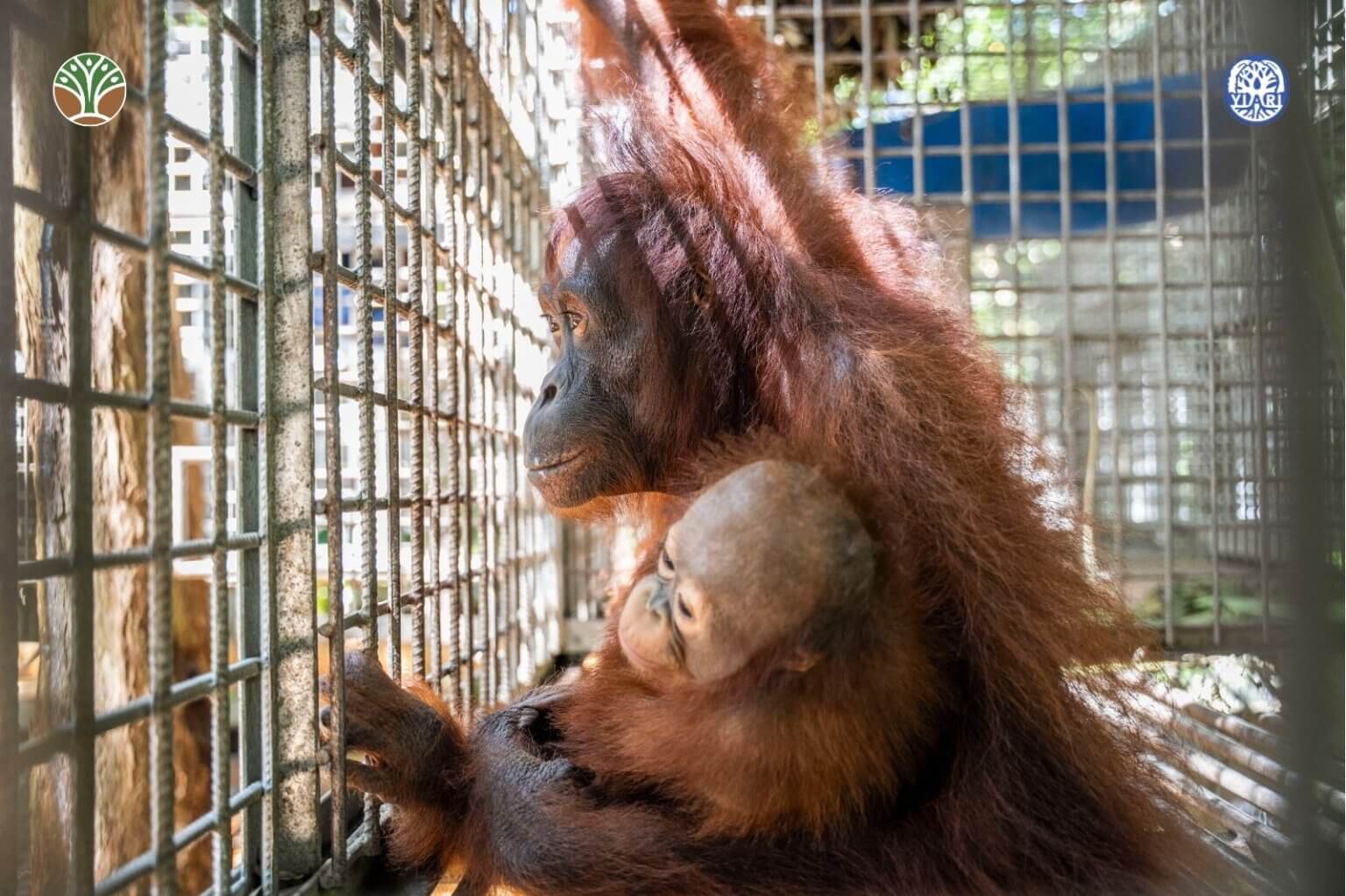
Randy looks comfortable in the embrace of Siponti (Muffidz Ma’sum).
An Orangutan Foster Mother: More Than Just a Companion for the Infant
In the wild, infant orangutans rely heavily on their mothers for survival. Therefore, following the quarantine period, our priority was to quickly find a surrogate mother capable of caring for Randy and teaching him the skills needed to survive in the wild.
Veterinarian Komara, who regularly monitors the orangutans’ development at the rehabilitation center, noted that Siponti’s response is a crucial factor in Randy’s future rehabilitation, as she serves as his source of security.
“The success of an orangutan surrogate mother is measured by several factors: the absence of excessive aggression or dominance toward the foster infant, the emergence of protective behavior, and the surrogate’s ability to model essential activities—such as nest-building and foraging for fruit—for the infant,” he explained.
Developmental Process Under Medical Team Supervision
We implemented this surrogate pairing strategy to minimize human contact with the animals. Nevertheless, the process is conducted under the supervision and guidance of the medical team. Veterinarians ensure that no disease transmission occurs between the infant and the surrogate. Animal caretakers monitor the socialization process closely; should any signs of aggression arise, they immediately separate the pair. Caretakers also routinely collect data to analyze the progress of the socialization.
Dr. Komara noted that the greatest challenge in pairing surrogate mothers with infants is the timeframe. “There is no standardized duration for this type of socialization, as every individual requires a different amount of time to bond. Moving forward, we will continue to regularly monitor the socialization process between Randy and Siponti.”
Surrogate Pairing Aimed at Release into the Wild
YIARI has seen other successful surrogate pairings, such as Karmila and Batis, as well as Faini and Covita, all of whom now live freely in Bukit Baka Bukit Raya National Park. Eventually, Randy and Siponti will also follow in their footsteps and gain their freedom. You can support the ongoing rehabilitation of Randy and Siponti by donating at this link: https://yiari.or.id/donasi/. Together, we can facilitate the best possible rehabilitation process for these infant orangutans, as well as for the many other orangutans at the rehabilitation center.
Featured image: Siponti and Randy display a close bond, the result of the socialization process between the surrogate mother and her foster infant (Muffidz Ma’sum | YIARI)
Story originally published June 10, 2026 by the YIARI communications team. See the original article (in Indonesian) here. Translated by Orangutan Outreach and published July 17, 2026.
Orangutans Need Your Help!
Thank you for your generous support in these challenging times.
Donate Adopt
Adopt an Orangutan
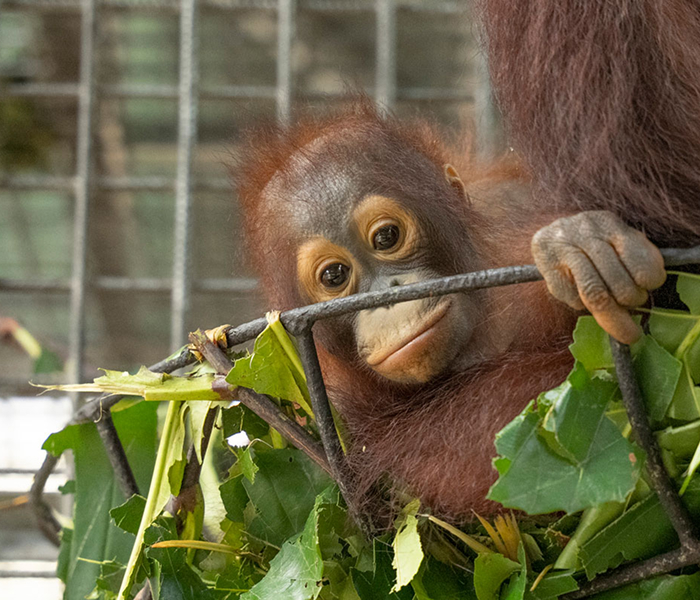
Mawa
Mawa is a gentle young orangutan rescued as an infant and now learning the skills he needs to one day return to the forest.
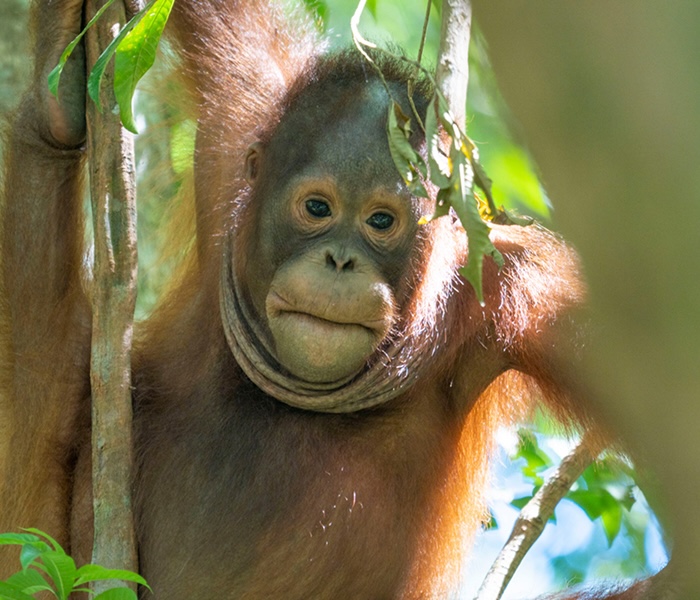
Kukur
Kukur is a young orangutan rescued from captivity and now learning essential skills as he grows in rehabilitation.
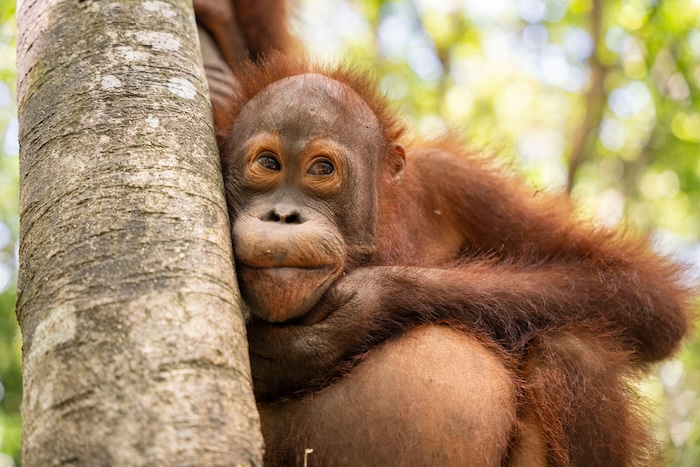
Gatot
Gatot is a playful young orangutan growing in confidence as he learns forest skills in rehabilitation.
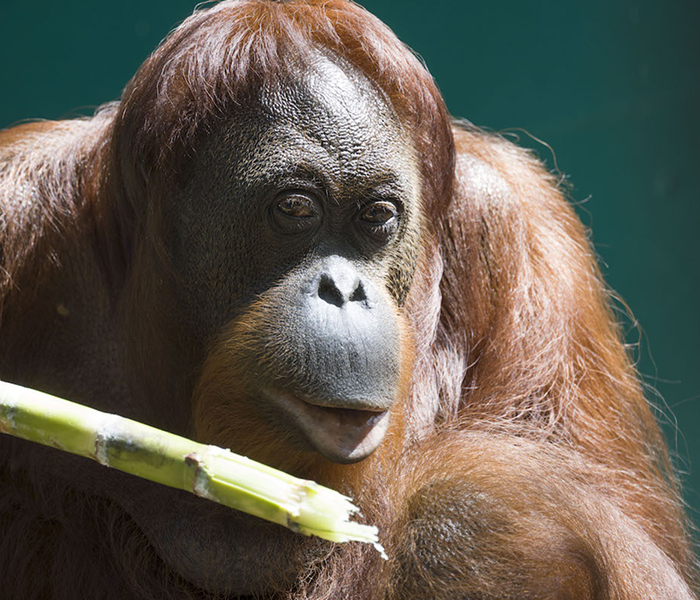
Pingky
Pingky is a calm adult orangutan rescued from long-term captivity and now living peacefully in lifelong care.
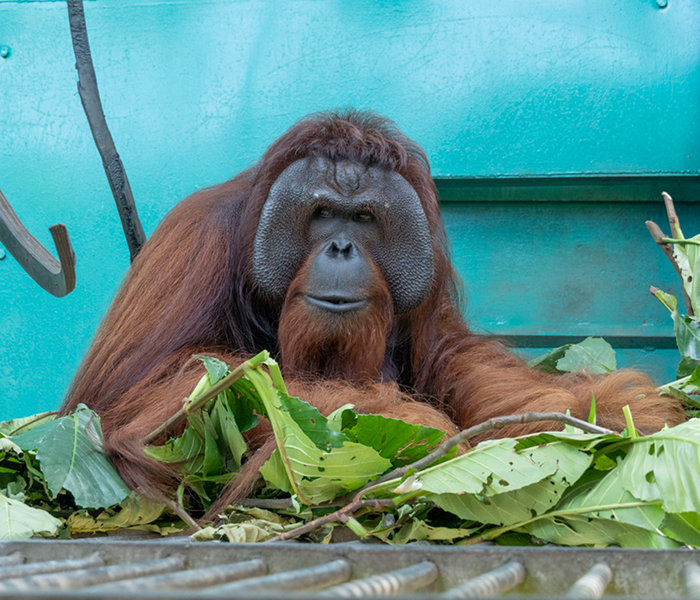
JoJo
JoJo is a gentle adult orangutan rescued from severe neglect and now enjoying a safe, enriched life in long-term care.
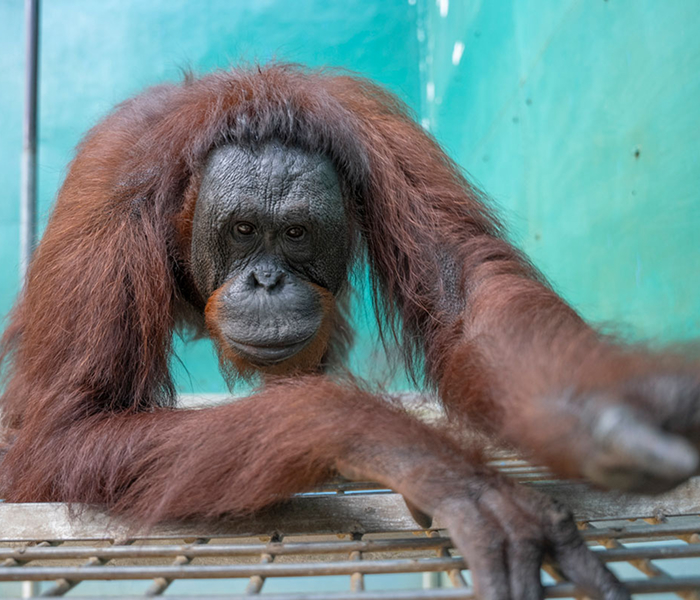
Neng
Neng is a gentle adult orangutan rescued from captivity and now living safely in long-term care with her companions.
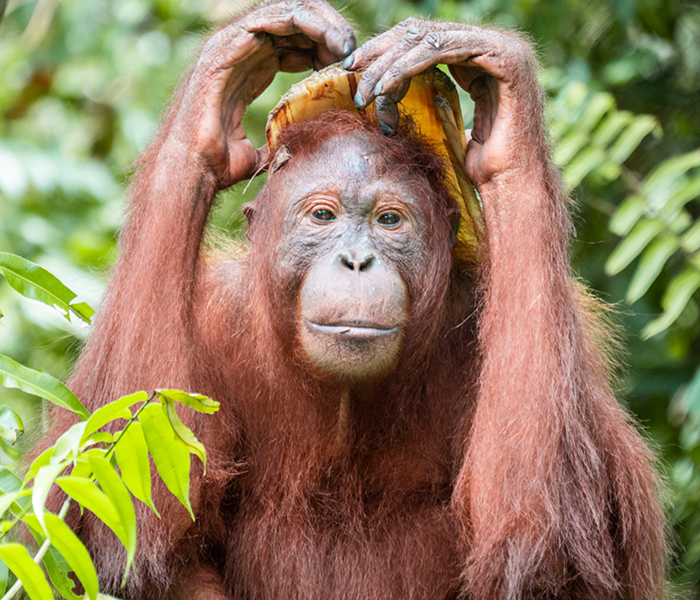
Rickina
Rickina is a calm and thoughtful orangutan rescued as an infant and now living safely in long-term care.