Borneo Orangutan Survival Foundation (BOSF)
 Orangutan Outreach has been proudly to supporting the Borneo Orangutan Survival Foundation (BOSF) since our establishment in 2007. BOSF is a large foundation that cares for more orangutans than any other organization. BOSF manages two rehabilitation centers, Samboja Lestari in East Kalimantan and Nyaru Menteng in Central Kalimantan. The Nyaru Menteng Orangutan Center was founded in 1999 by Lone Droscher Nielsen (who is now retired) and since its humble beginnings, the center has grown into the largest orangutan conservation facility in the world. Nyaru Menteng is currently home to around 450 orphaned and displaced orangutans and Orangutan Outreach focuses most of our support here.
Orangutan Rehabilitation
When an infant orangutan is taken away from his or her mother, they lose a lifetime of early learning and natural development. Many of these babies had been kept as pets and precious few have been lucky enough to survive the ordeal. Once an orangutan is rescued from its captors and taken to an orangutan care center, the little ape begins rehabilitation. The purpose of rehabilitation is to equip orphaned orangutans with the skills they need to survive once they are old enough to be reintroduced to the forest. In the wild, an orangutan would spend the first 6 or 7 years of his or her life with their mother. It is this loss which the rehabilitation process needs to make up for.
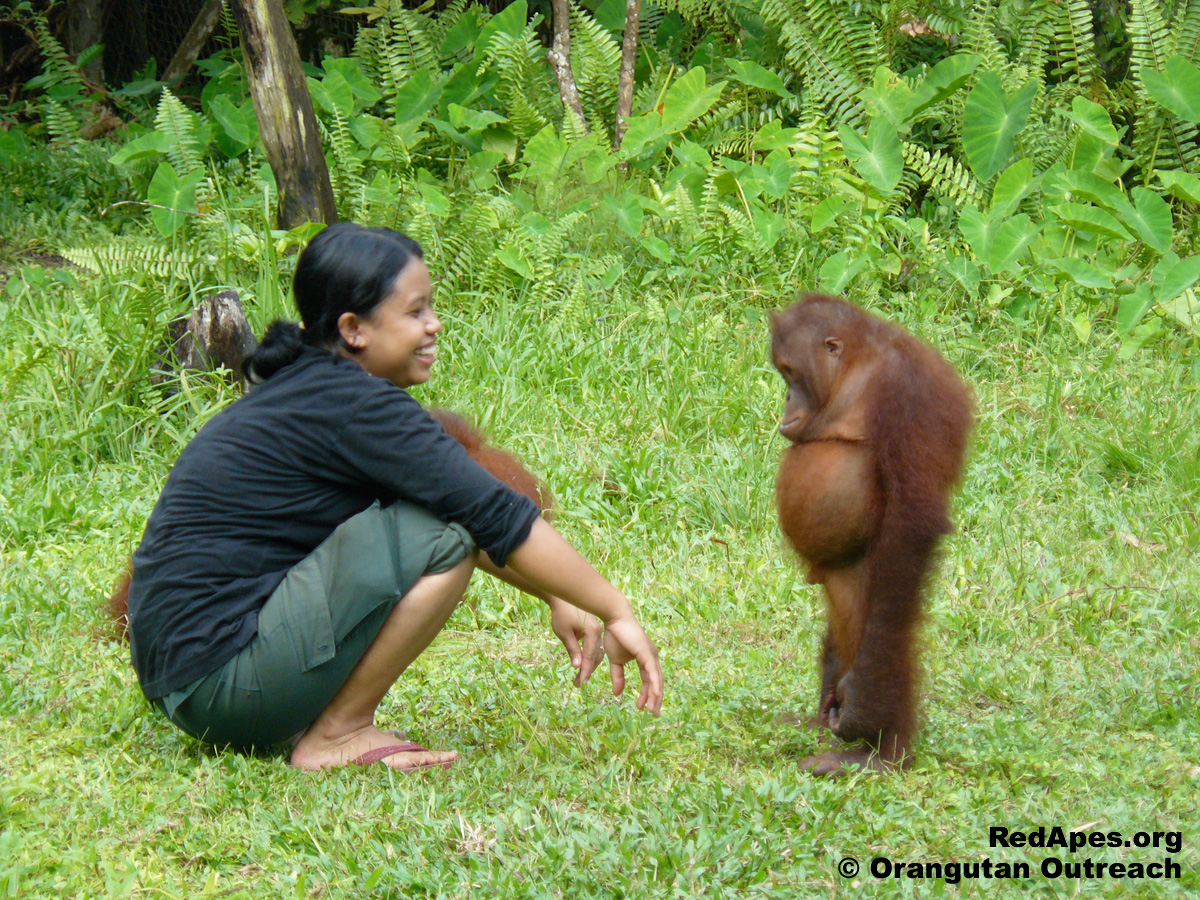
“The Standoff” © Orangutan Outreach
This image may not be used without our express written permission. Please be respectful.
Baby School & Baby House
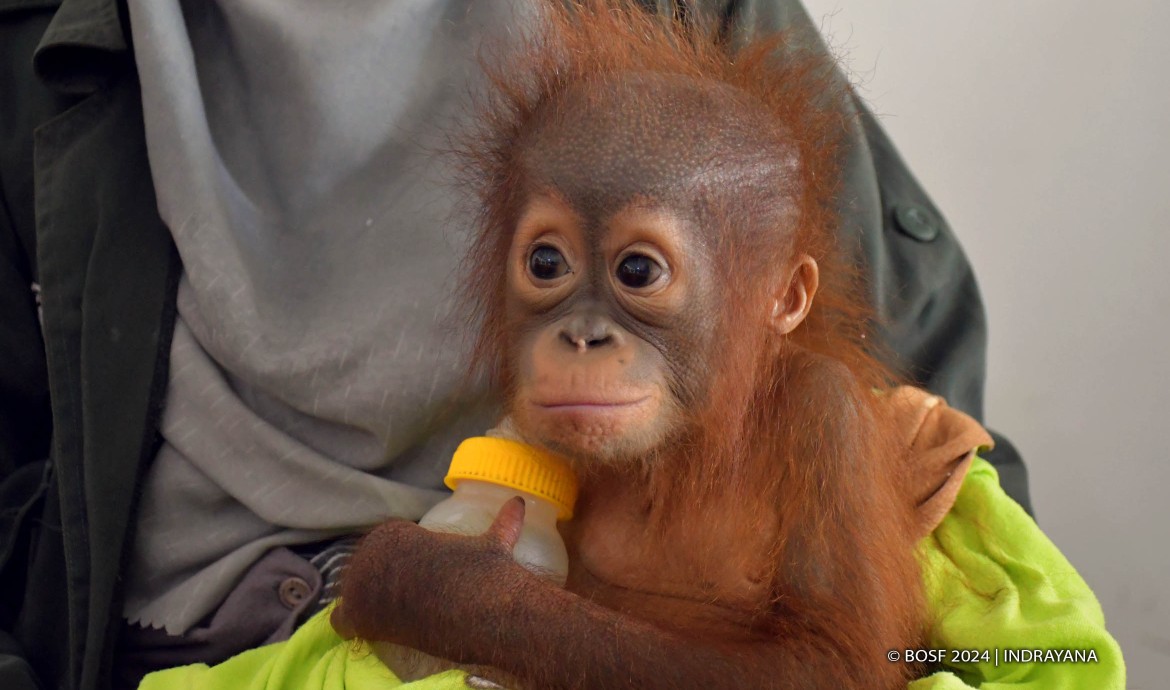
Newly arrived infants and very young orangutans spend the day in a forested nursery where they are cared for 24/7 by their babysitters. Their health is carefully monitored as many of them have come to the center severely malnourished and they are extremely susceptible to illness due to having compromised immune systems. In Baby School, the orangutans learn to climb and move around in trees. They begin to experiment more with new fruits and also begin to interact closely with one another. After a few years in Baby School, as they grow stronger and more independent, the orangutans move up to Forest School. Learn more about the BOS Foundation Baby Houses here.
Forest School
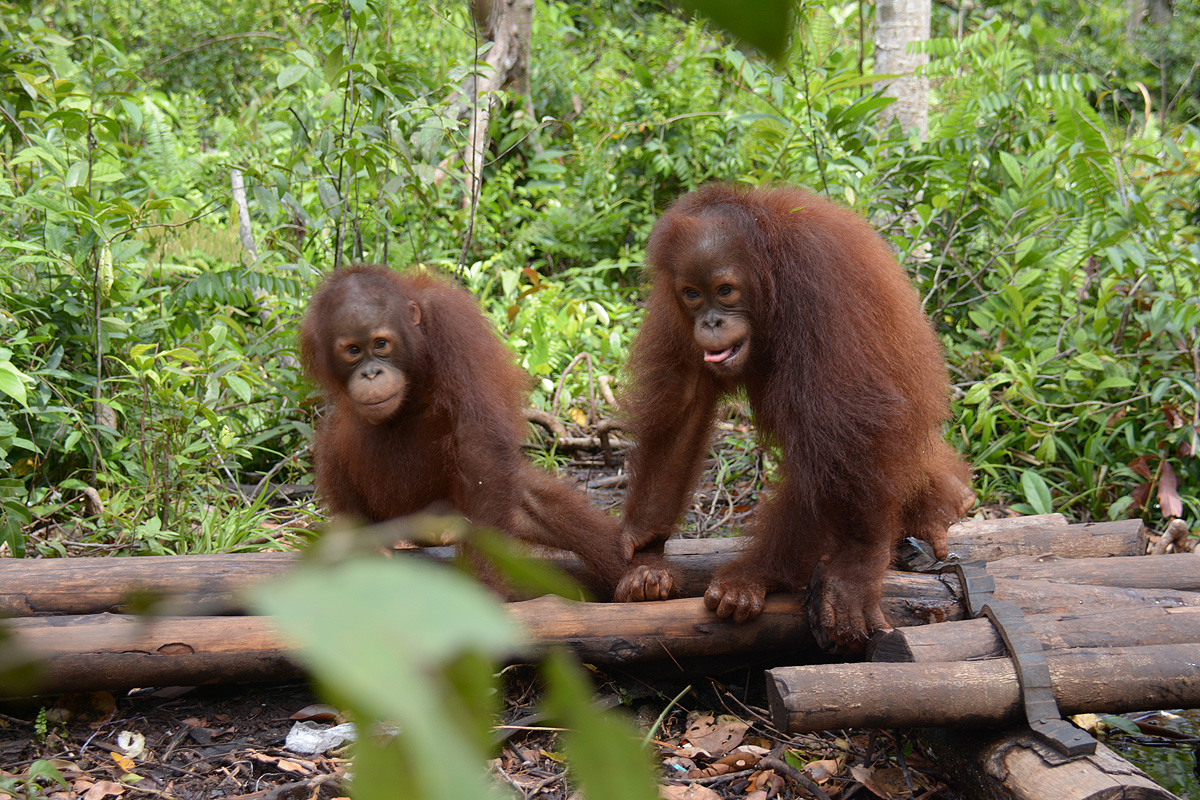
The secure forest around the main center serves as the perfect place where young orangutans are taught how to survive in the wild. In Forest School, the orangutans begin to truly develop the skills they will need to survive as adults in the wild. Climbing and nest building as well as swinging and maneuvering amongst the trees are skills that they now practice every day. They continue to learn about new foods and also learn about things to avoid— such as snakes! They now come into contact with a lot more orangutans. They are in groups or ‘classes’ ranging from approximately 8 – 12 individuals with whom they will essentially ‘grow up’.
The series Orangutan Jungle School depicts this stage of their lives in great detail. It is currently streamable in the US on Paramount app. Orangutans in Forest School spend the entire day in the nearby peat forest— only returning to the main center in the late afternoon to have a snack, drink some milk and get some sleep. Learn more about Orangutan Jungle School here.
The Islands: Orangutan University
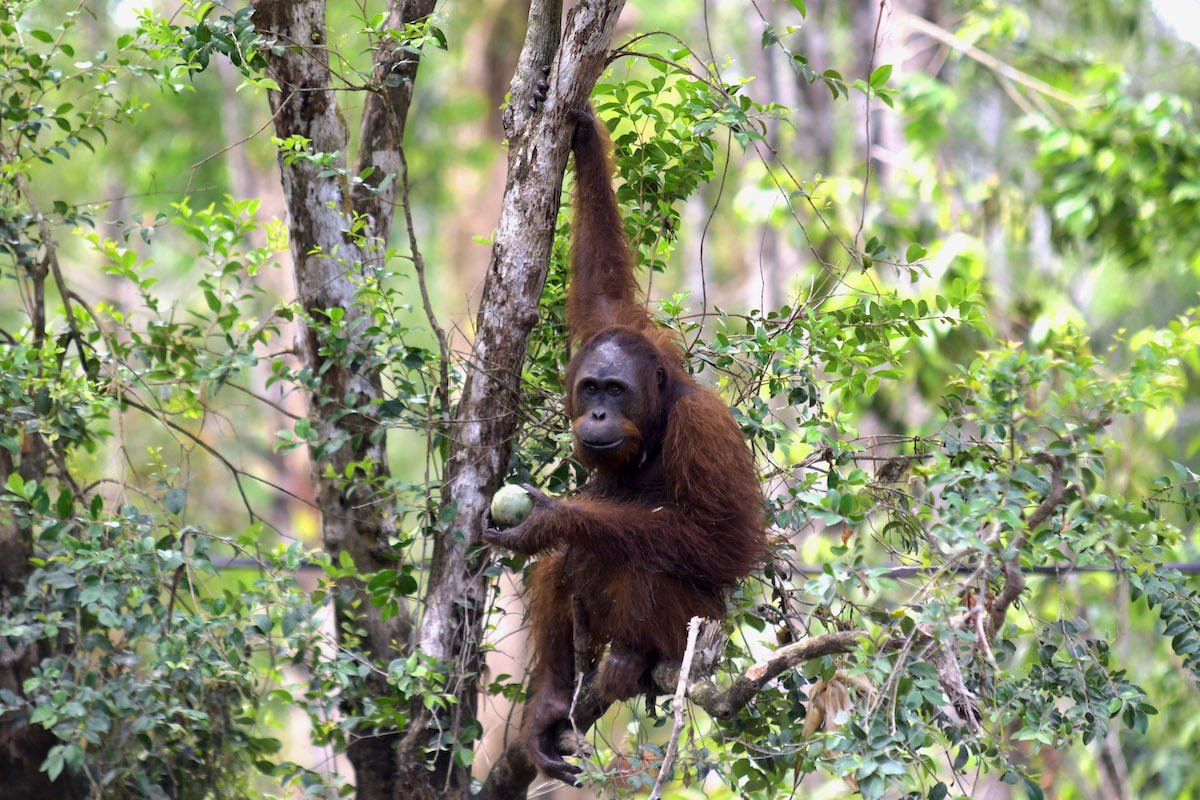
Orangutans who have gone through the rehabilitation process are brought to pre-release natural river islands for at least 2 dry seasons and one wet season to make sure they can cope with the fluctuations in food availability and assure they have perfected forest skills. These islands are the penultimate step in the rehabilitation of orphaned orangutans.
The pre-release islands are in the Rungan River and each island is home to up to 30 orangutans that are learning to fend for themselves while still being watched closely by the BOSF team. There are only minimal feeding-platforms and jetties on the islands so as to keep the setting as natural as possible.
The series Orangutan Island on Animal Planet gave viewers a first-hand view of life on the islands. The series ended in 2010 but can still be found online. Orangutan Jungle School also features many beautiful scenes from the islands.
Releases
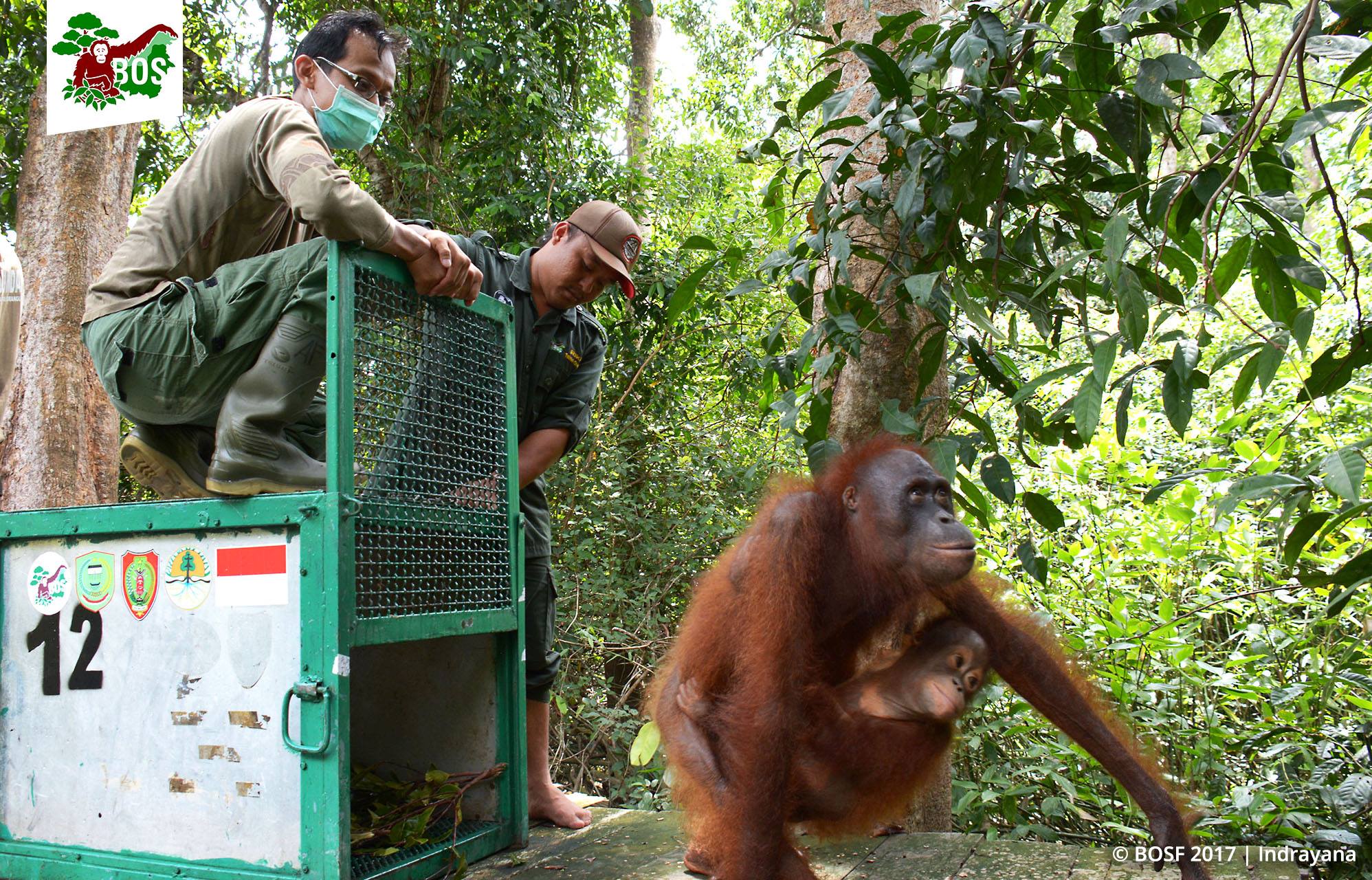
Presently there are a number of orangutans who have spent well over the required time on the islands and are ready for release back to the wild. This requires additional funding and a lot of logistical planning. The season has to be right, the ground and air transport need to be in place and the orangutans must be ready to go! Orangutans are released in small groups so they have the choice to stay together or to venture out on their own.
The BOS Foundation began a massive release program in 2012 and by the end of 2022, they marked a milestone of having released 500 orangutans! 500 orangutan releases in one decade is incredible, especially considering releases were on hold during the Covid-19 pandemic. It is crucial that the BOS Foundation continues to release more orangutans in order to make room on the islands for the next group who are ready to leave Forest School. To do this we need your support! Learn more about Orangutan Releases here.
Retirement
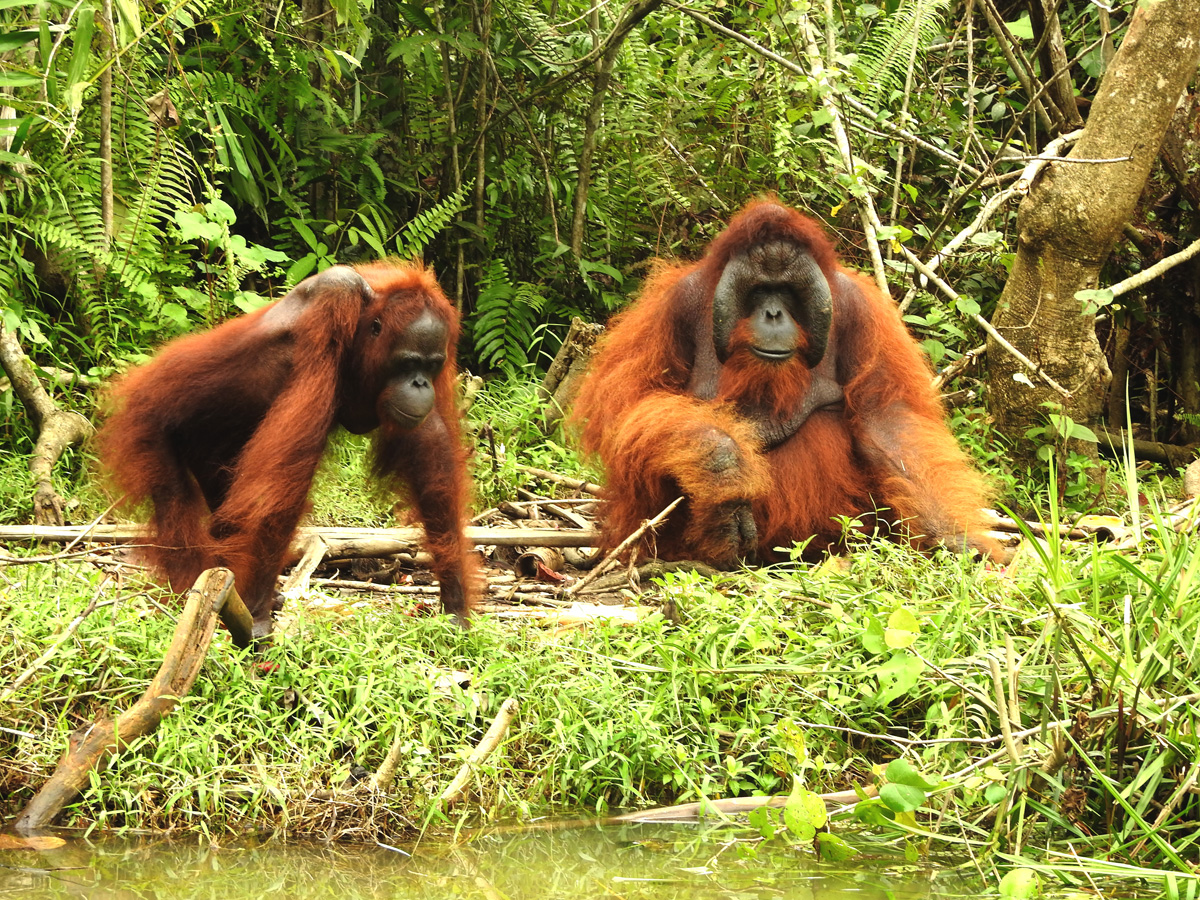
Not all orangutans in rehabilitation centers are able to successfully complete the rehabilitation process and return to living wild and free in the forest. The struggle for these orangutans is often due to the extended time they spent in captivity starting from a young age. There are also some orangutans who suffer from infectious diseases or have severe physical limitations. While the aim and hope is to rehabilitate every orangutan rescued, this is not always possible.
The BOS Foundation is caring for over 100 orangutans that are considered “unreleasable”. The goal is to provide each of these orangutans with a retirement in which they can live the rest of their lives with dignity and respect. Orangutan Outreach is working with BOSF to provide these orangutans the chance to live outside of a cage on a forested sanctuary island. While BOSF currently has some islands for this purpose, there are not enough sanctuary islands for all of the BOSF unreleasable orangutans. We need your support so we can prepare more suitably-sized sanctuary islands. Learn more about Unreleasable Orangutans here.
You can directly support the orangutans cared for by the BOS Foundation by adopting Selfie, Rumba, Jenny, Galaksi, Papa, Monyo or Baimah. For just USD $20/month (or USD $200/year) you can help cover the costs for their food, care and enrichment. You can ‘meet’ them on our adoption page. Or just click on the images below to learn more and choose your adoptee!
Adopt an Orangutan
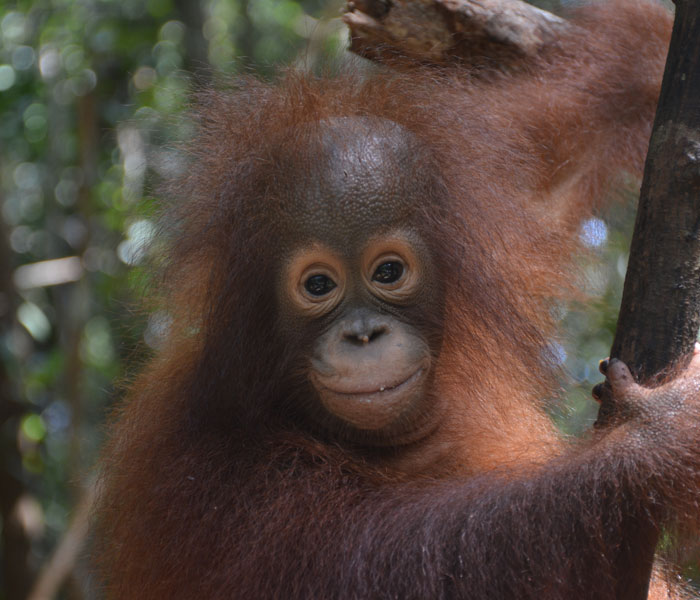
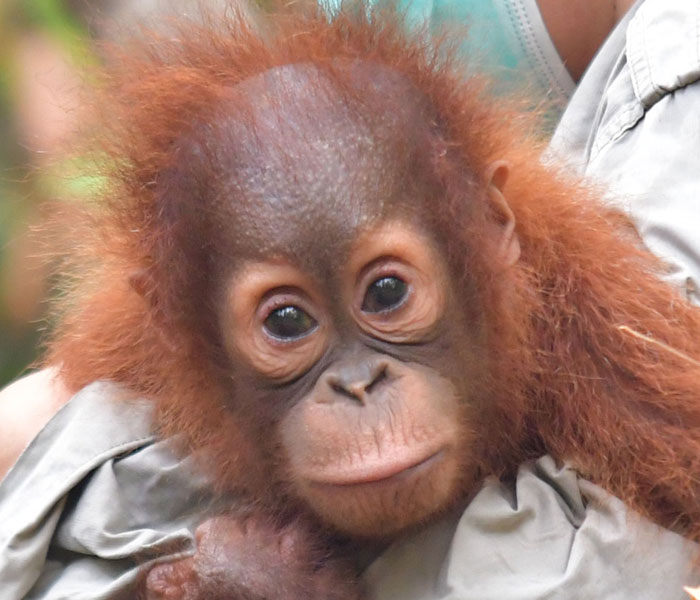
Selfie
Selfie is a young orangutan and an adventurous soul whose independence is growing everyday in Forest School.
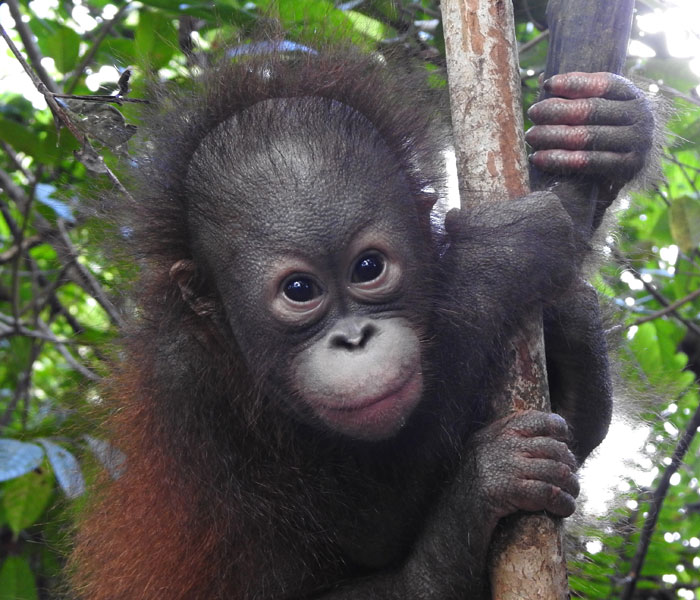
Rumba
Rumba has overcome physical challenges in forest school to show us that with patience and perseverance anything is possible.
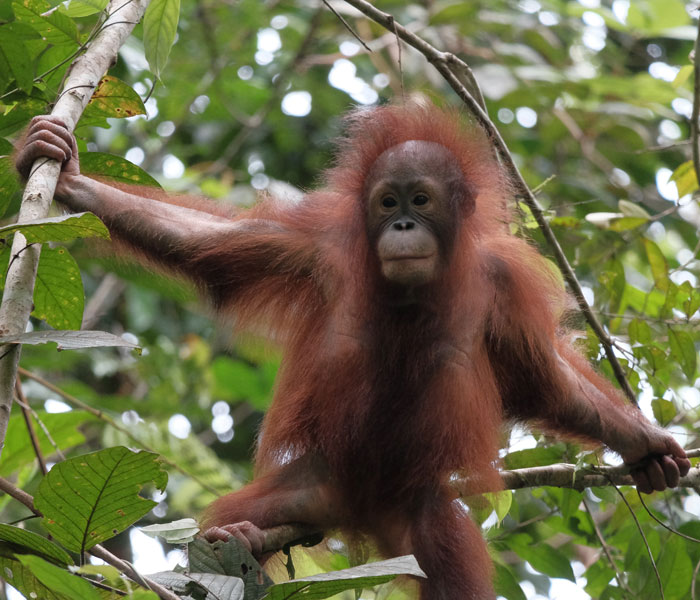
Galaksi
Galaksi is a juvenile orangutan in forest school who is small but mighty. With friends at his side, he turns each day into an adventure.
Jenny
Jenny is quickly growing in forest school where she has transformed from an easily frightened infant into a clever & cheeky toddler.
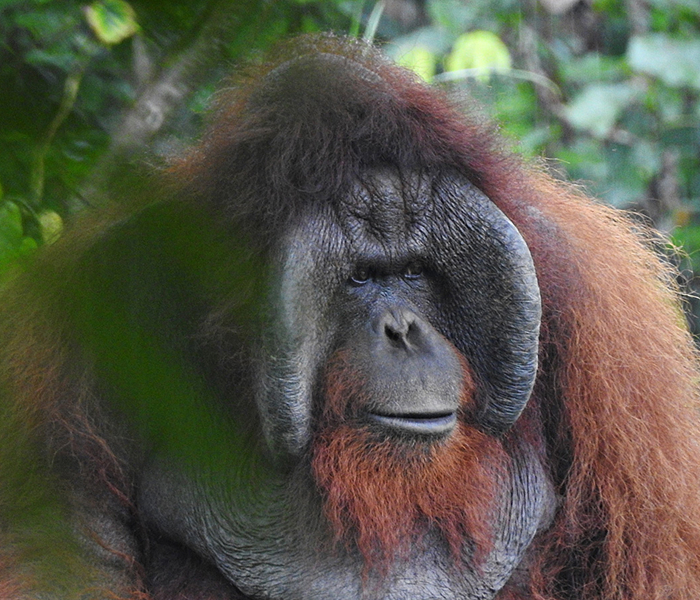
Papa
Papa is a gentle adult orangutan rescued from the illegal pet trade and now enjoying life with companions in long-term care.
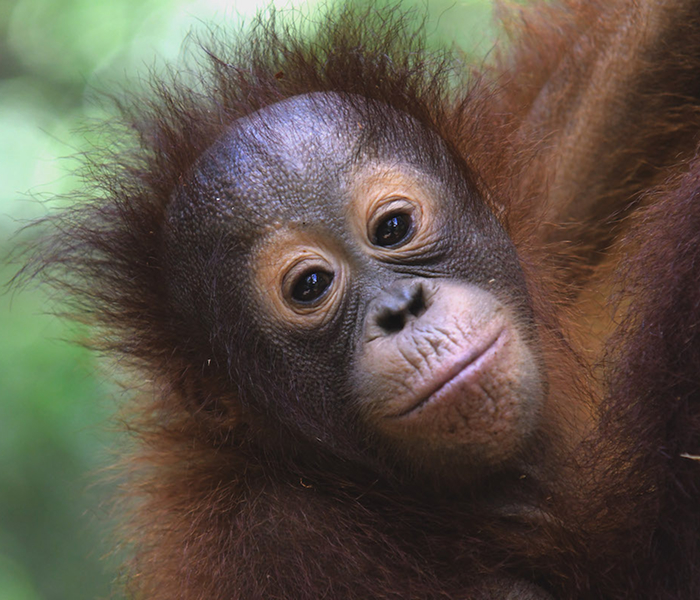
Monyo
Monyo is a young orangutan in forest school, learning essential skills as he grows toward independence.
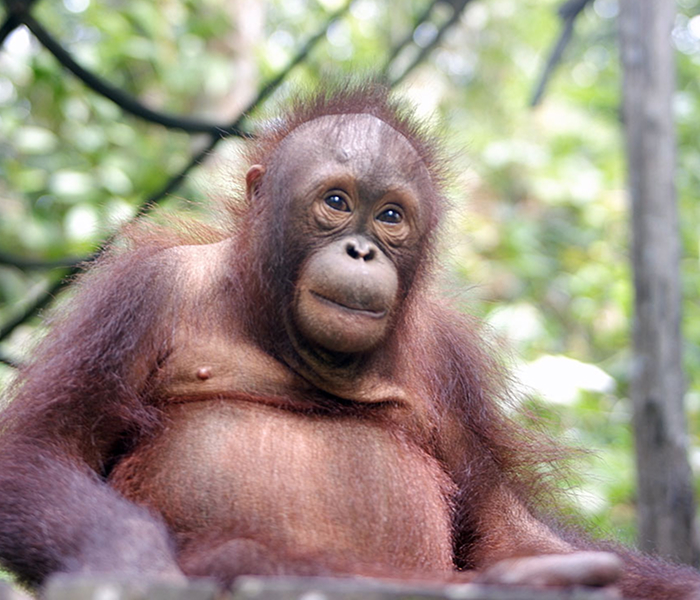
Baimah
Baimah is a bold young orangutan rescued from captivity and now learning the skills she’ll need to thrive in the forest.