When Rivers Shrink: How Orangutans Adapt to the Dry Season
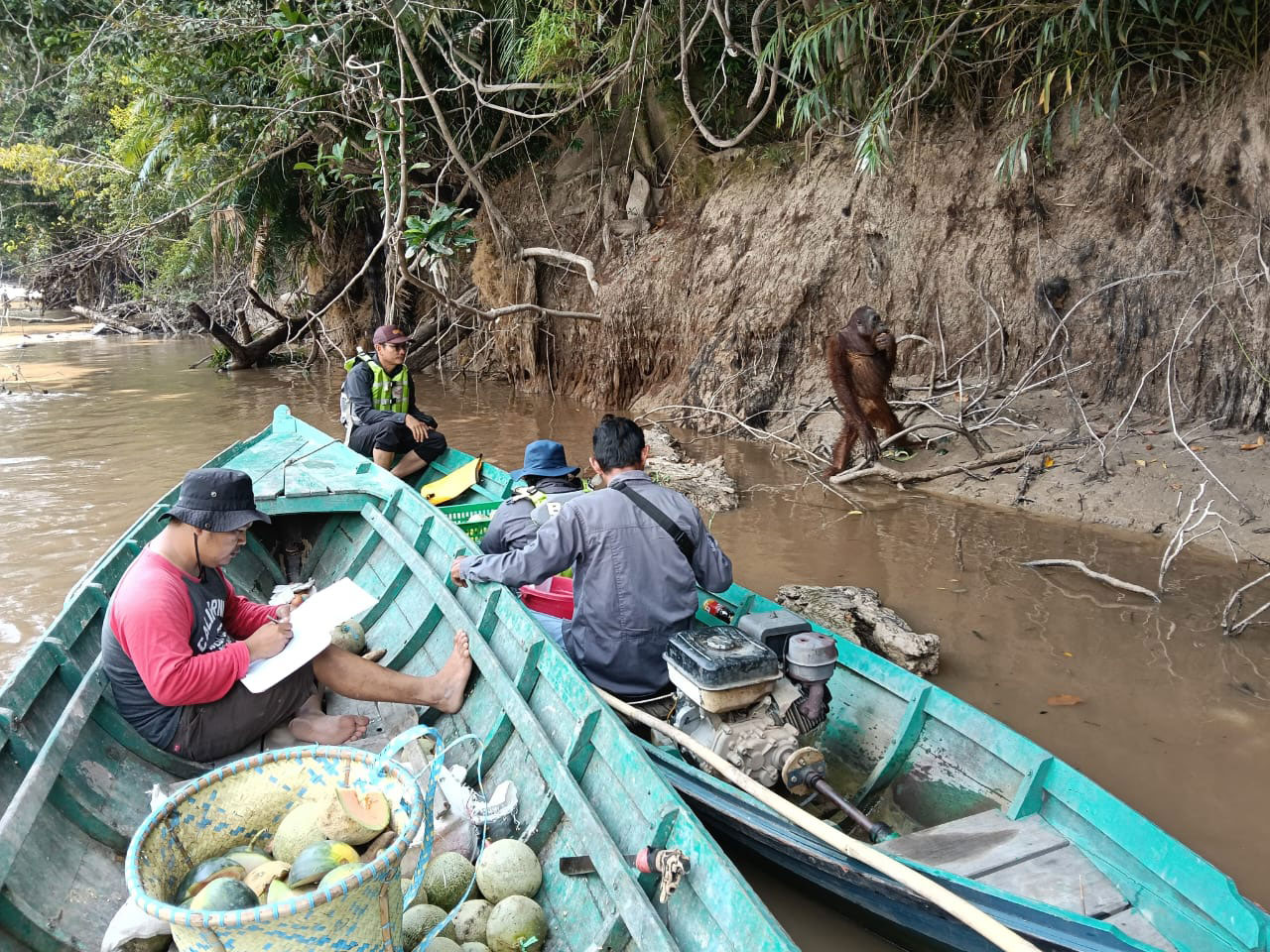
The dry season brings noticeable changes to Kalimantan’s rainforest ecosystem. As rainfall declines, river and natural canal water levels drop, while some water sources become more difficult to access. These seasonal changes affect not only the forest itself but also the wildlife that depends on it, including orangutans.
For orangutans, seasonal change is a natural part of life. In the wild, over millions of years, they have developed a variety of strategies to adapt to changing water availability, food resources, and environmental conditions. For the BOS Foundation (BOSF), the dry season also presents unique challenges in managing pre-release islands and ensuring that orangutans still undergoing rehabilitation remain safe while continuing to develop the survival skills they will need in the wild.
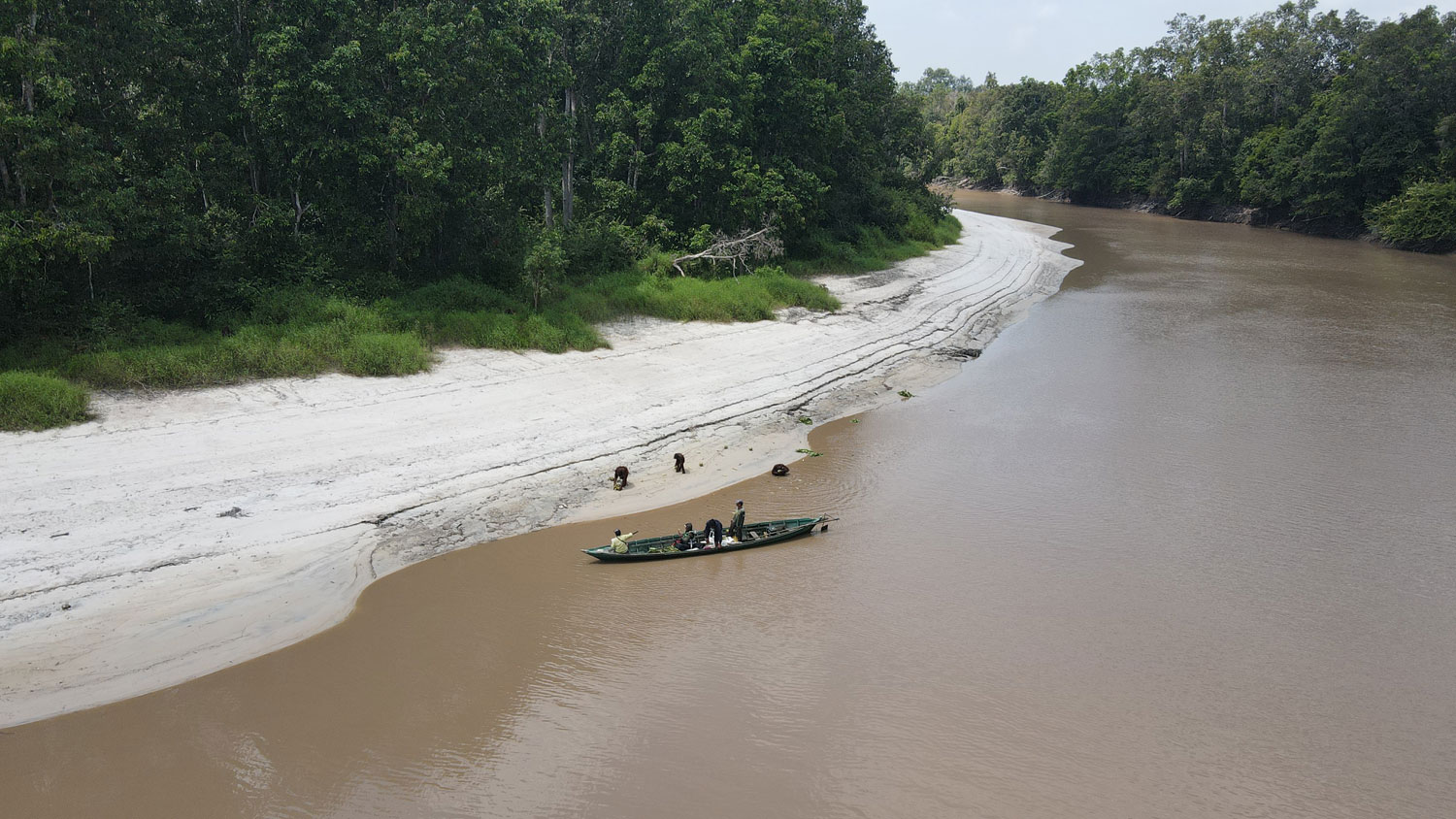
When Rivers Are No Longer the Same
Rivers are an important part of orangutan habitat. In addition to providing water, they also influence how orangutans move through the forest. As water levels decline during the dry season, the landscape they normally navigate begins to change.
In some areas, trees that provide important food resources may also experience changes in their fruiting patterns. As a result, orangutans adjust their foraging behaviour by relying on other food sources available in the forest.
Adapting to Natural Changes
One of the orangutan’s most remarkable traits is its ability to adapt to changing environmental conditions. When fruit becomes less abundant, orangutans can shift to eating young leaves, inner bark (cambium), palm shoots, and insects as alternative food sources.
Orangutans are also known for their excellent memory. They can remember the locations of fruiting trees and water sources throughout their home range, allowing them to locate resources that remain available when environmental conditions change.
On some occasions, orangutans have also demonstrated impressive problem-solving abilities. One well-known example involved Valentino, an orangutan observed using a stick to measure the depth of a river before deciding whether it was safe to cross. Observations like this demonstrate orangutans’ ability to use simple tools to help them make decisions in the wild.
Strategies for Coping with the Dry Season
In addition to adjusting their foraging patterns, some orangutans have also been observed covering their faces or parts of their bodies with mud.
Researchers suggest that this behaviour may help regulate body temperature, protect the skin from prolonged sun exposure, or reduce irritation caused by insects, although its exact function is still being studied.
Interestingly, this behaviour is reminiscent of the traditional use of bedak dingin by some Dayak communities in Kalimantan. Made from natural ingredients, this cooling paste has long been used to help protect the skin from the tropical sun. While the two cannot be directly compared, both illustrate how living beings develop different ways of adapting to their environment.
The Dry Season and Pre-Release Islands
For the BOS Foundation, the dry season also brings challenges in managing pre-release islands.
These islands are surrounded by rivers that serve as natural barriers, helping keep orangutans safely within the rehabilitation area while they develop the skills needed to survive independently before being released into their natural habitat. As river water levels decline, the distance between the islands and the mainland may become shorter, increasing the risk of orangutans leaving the islands.
To anticipate these conditions, the technical team increases monitoring efforts and implements mitigation measures whenever necessary. These actions help ensure that the orangutans remain safe while supporting the rehabilitation process.
Adapting Alongside Nature
The dry season is a natural part of the tropical rainforest ecosystem. Over millions of years, orangutans have evolved to cope with these seasonal changes through a variety of adaptive behaviours, from adjusting their diet to making use of the resources available around them.
At the same time, the BOS Foundation continues to adapt its management strategies to ensure that every orangutan undergoing rehabilitation receives the protection, care, and opportunities needed to prepare for life back in the wild.
Through continuous monitoring and adaptive management, the BOS Foundation strives to ensure that every orangutan can continue to learn, develop, and one day return to the forests where they belong.
Date Posted August 19, 2026
Text by: BOS Foundation Communications Team
Support our Emergency Fire Fund!
Adopt an Orangutan
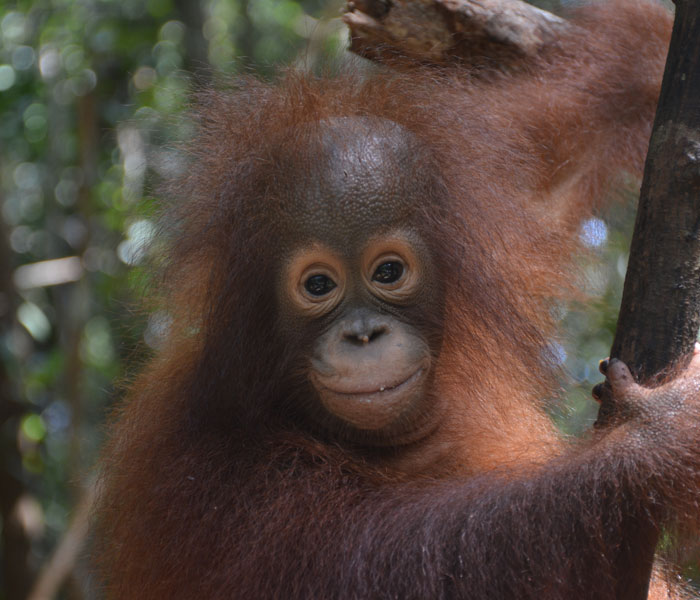
Selfie
Selfie is a young orangutan and an adventurous soul whose independence is growing everyday in Forest School.
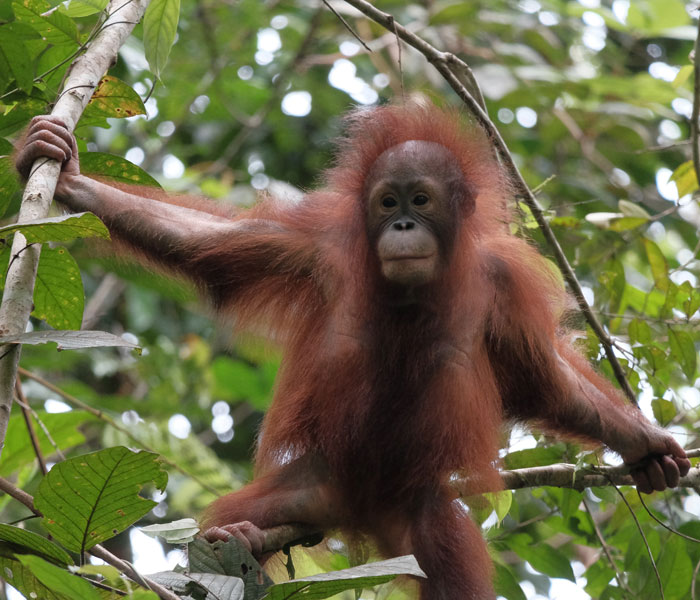
Jenny
Jenny is quickly growing in forest school where she has transformed from an easily frightened infant into a clever & cheeky toddler.
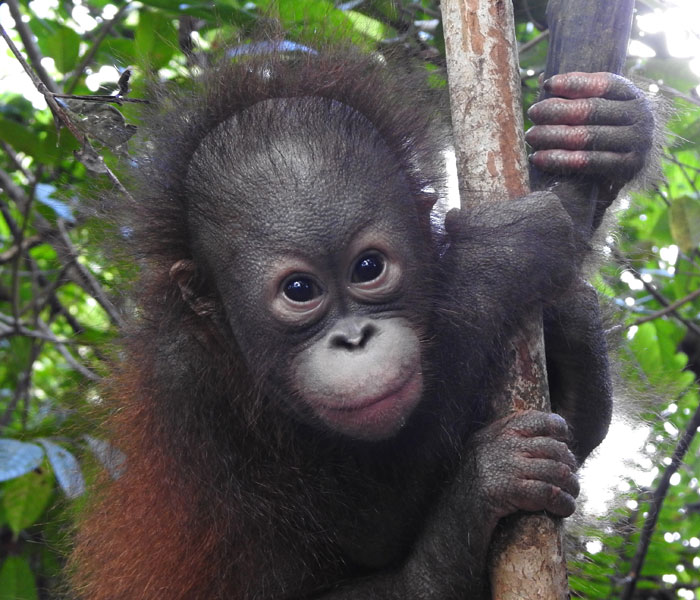
Galaksi
Galaksi is a juvenile orangutan in forest school who is small but mighty. With friends at his side, he turns each day into an adventure.
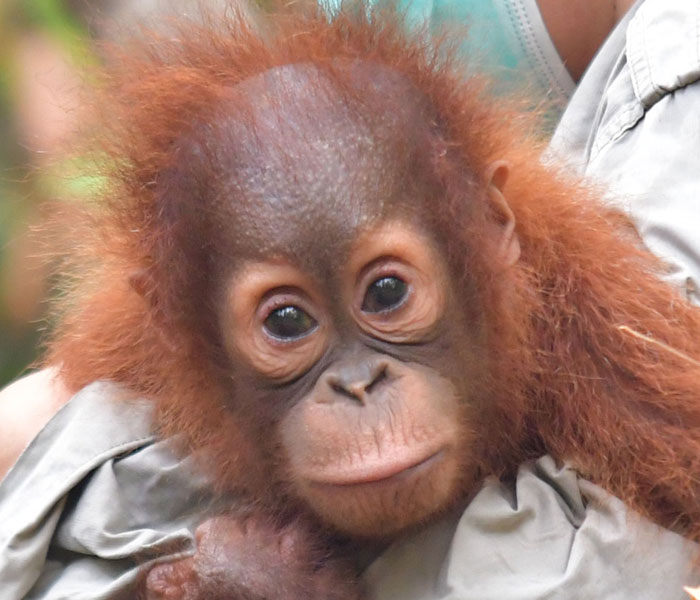
Rumba
Rumba has overcome physical challenges in forest school to show us that with patience and perseverance anything is possible.